Category Ranking
Best National Parks for Stargazing in Summer
Top parks for stargazing during summer, ranked by a composite of activity quality and seasonal conditions.
Updated
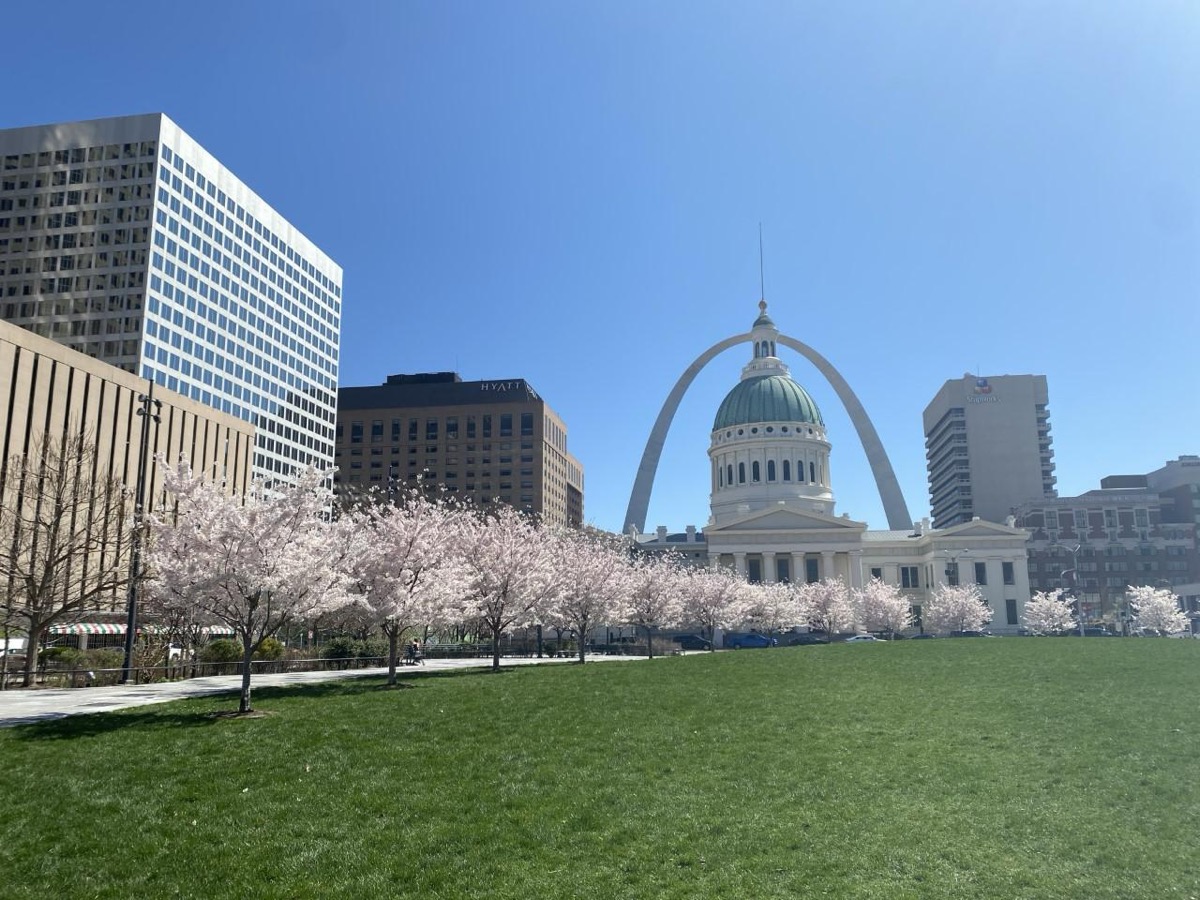
Gateway Arch National Park
Gateway Arch National Park is 0.14 square miles of westward expansion history beneath a 630-foot steel monument with three million visitors.
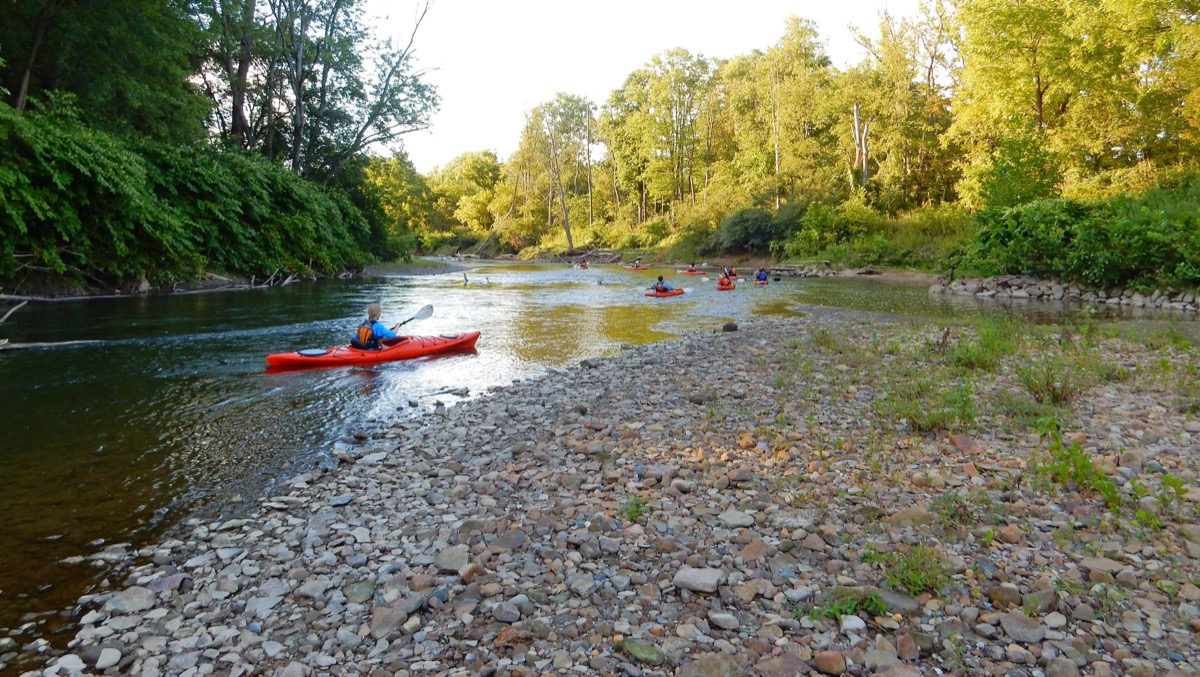
Cuyahoga Valley National Park
The Ohio & Erie Canal towpath runs 20 miles along the Cuyahoga River, past 65-foot Brandywine Falls and glacial rock ledges.
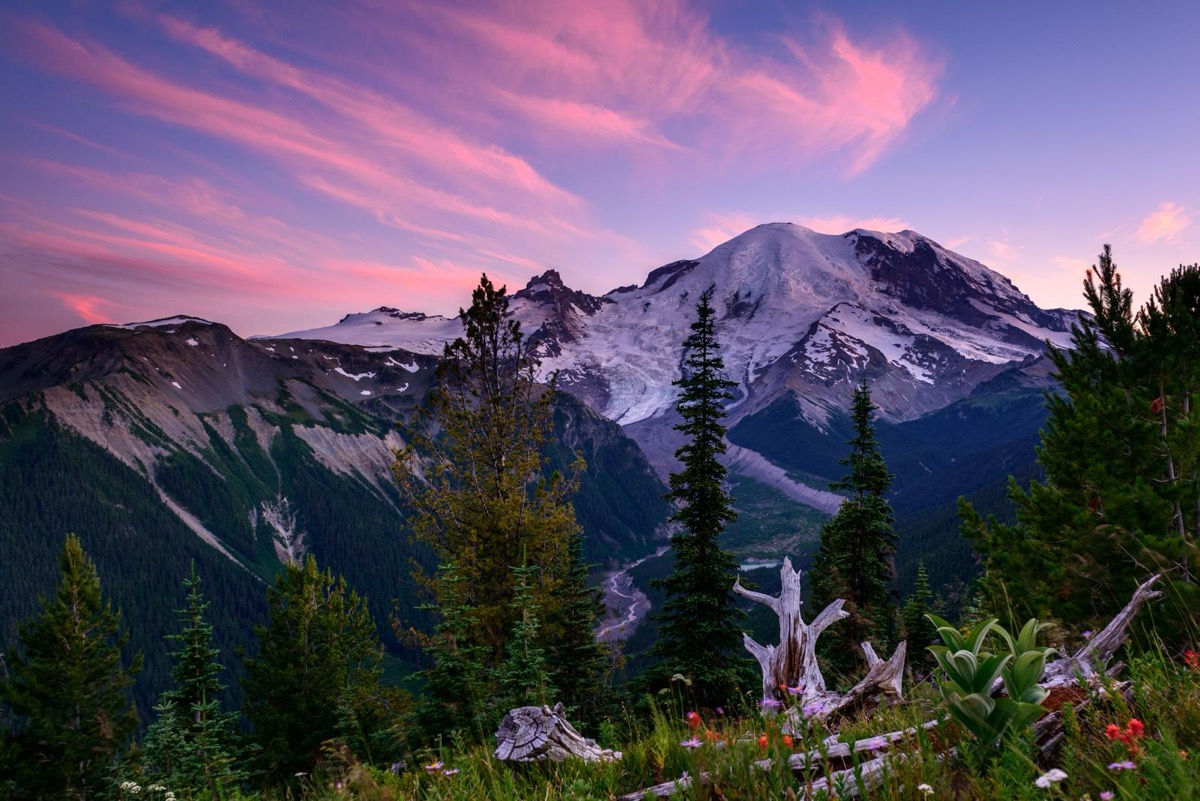
Mount Rainier National Park
An active volcano cloaked in more glaciers than any Lower 48 peak, Mount Rainier spawns five major rivers from ice beginning at 14,410 feet.
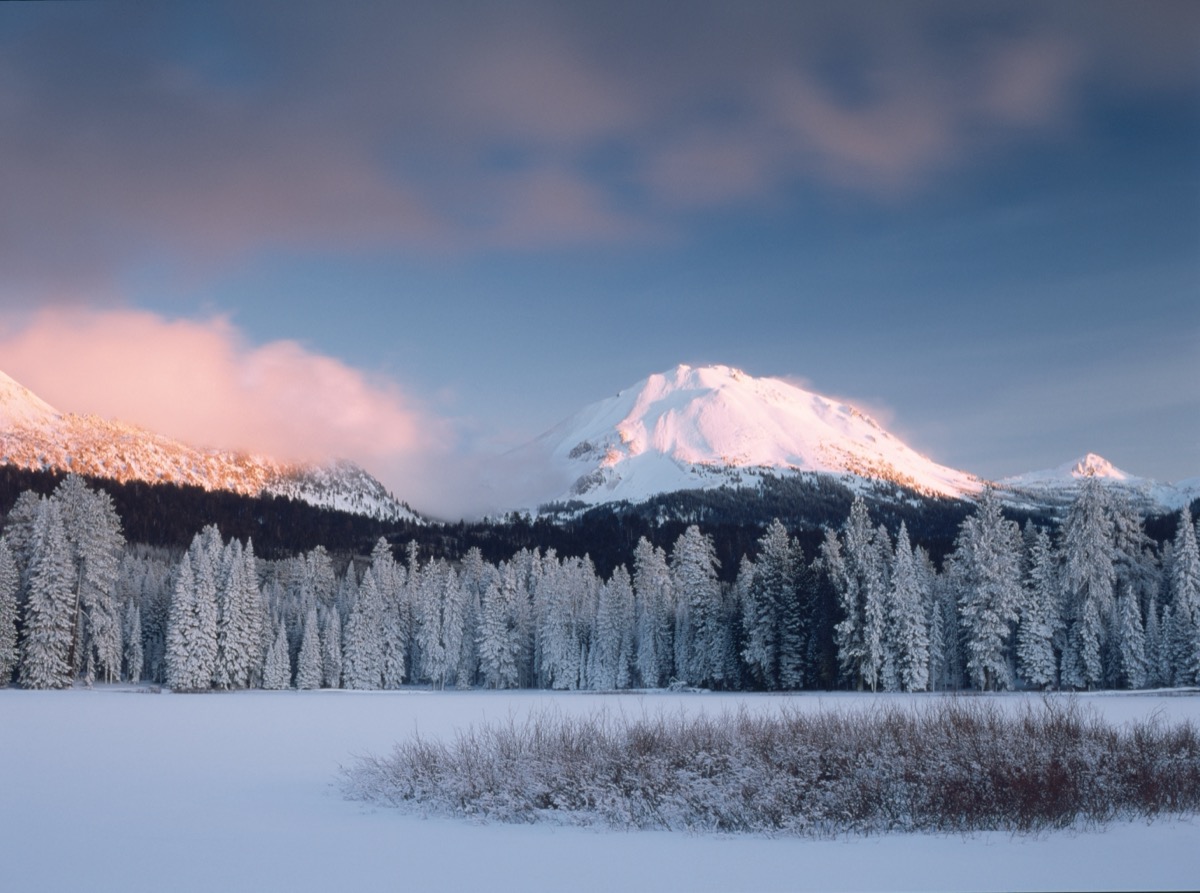
Lassen Volcanic National Park
Lassen Peak's 1914-1917 eruptions left a volcanic laboratory where boiling mudpots and sulfurous vents still reshape the ground.
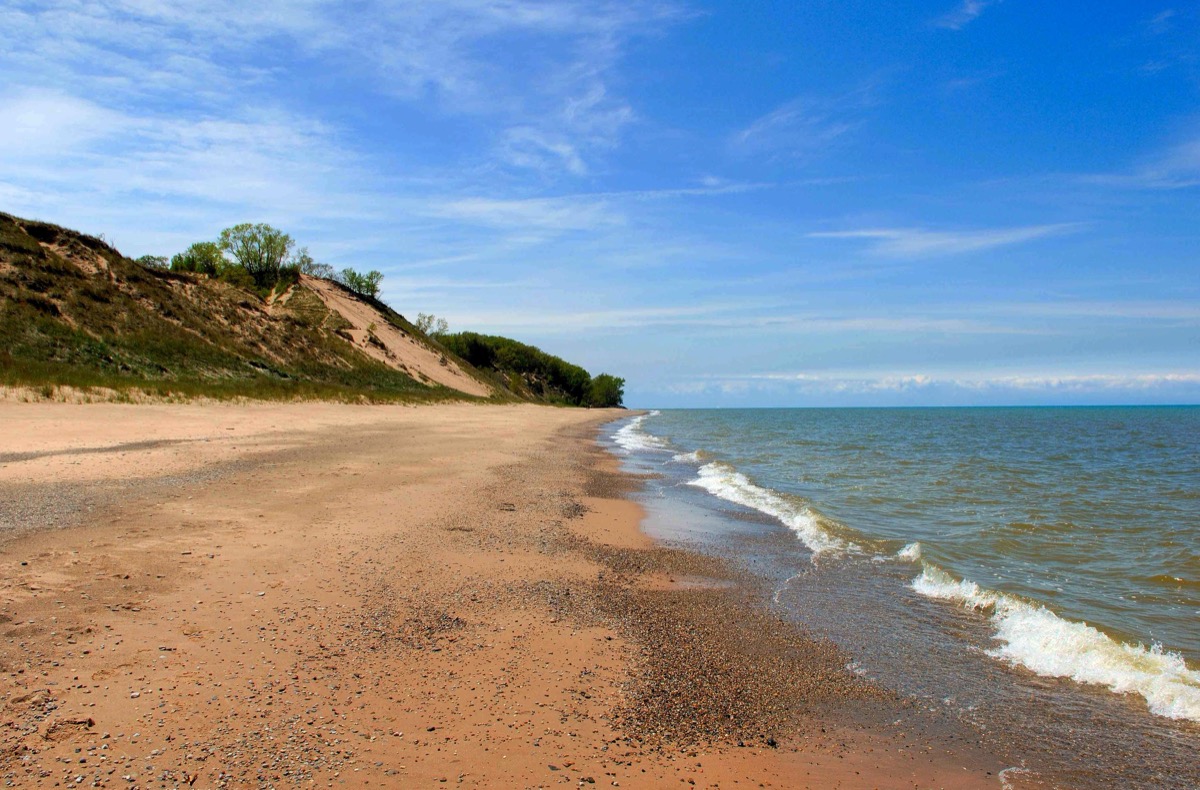
Indiana Dunes National Park
Lake Michigan's wind built these dunes into the park system's highest plant biodiversity—over 1,100 species on 15 miles of Indiana shore.
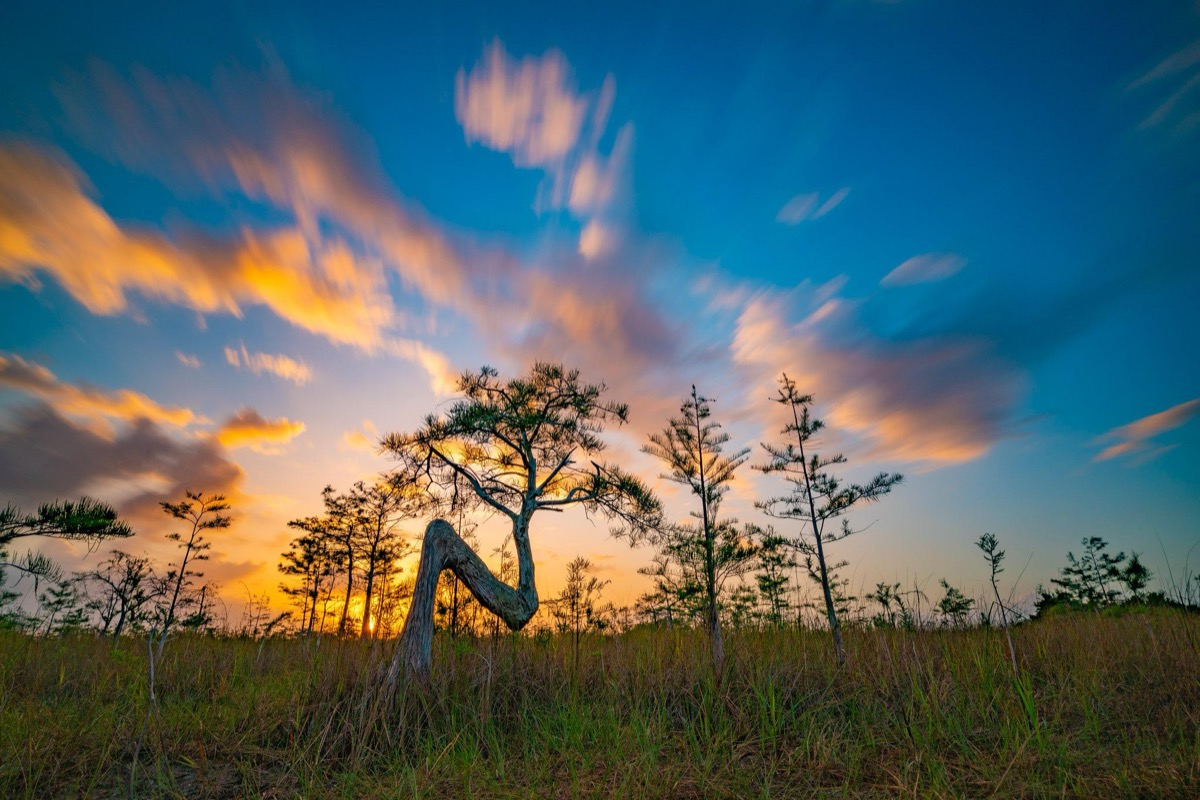
Everglades National Park
America's largest subtropical wilderness—a slow-moving river creating sawgrass marshes, mangrove islands, and alligator habitat.
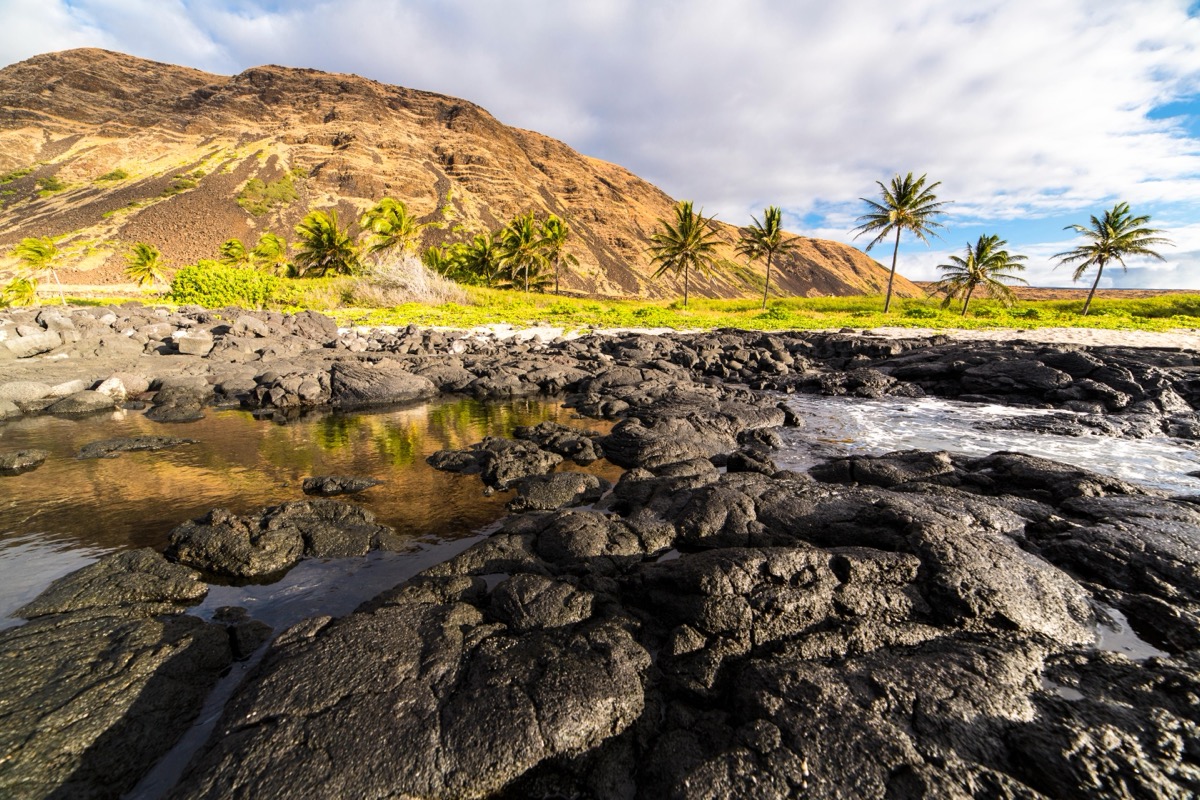
Hawaiʻi Volcanoes National Park
Two active volcanoes shape terrain from tide pools to alpine desert. Walk across recent lava flows and through rainforests on ancient rock.
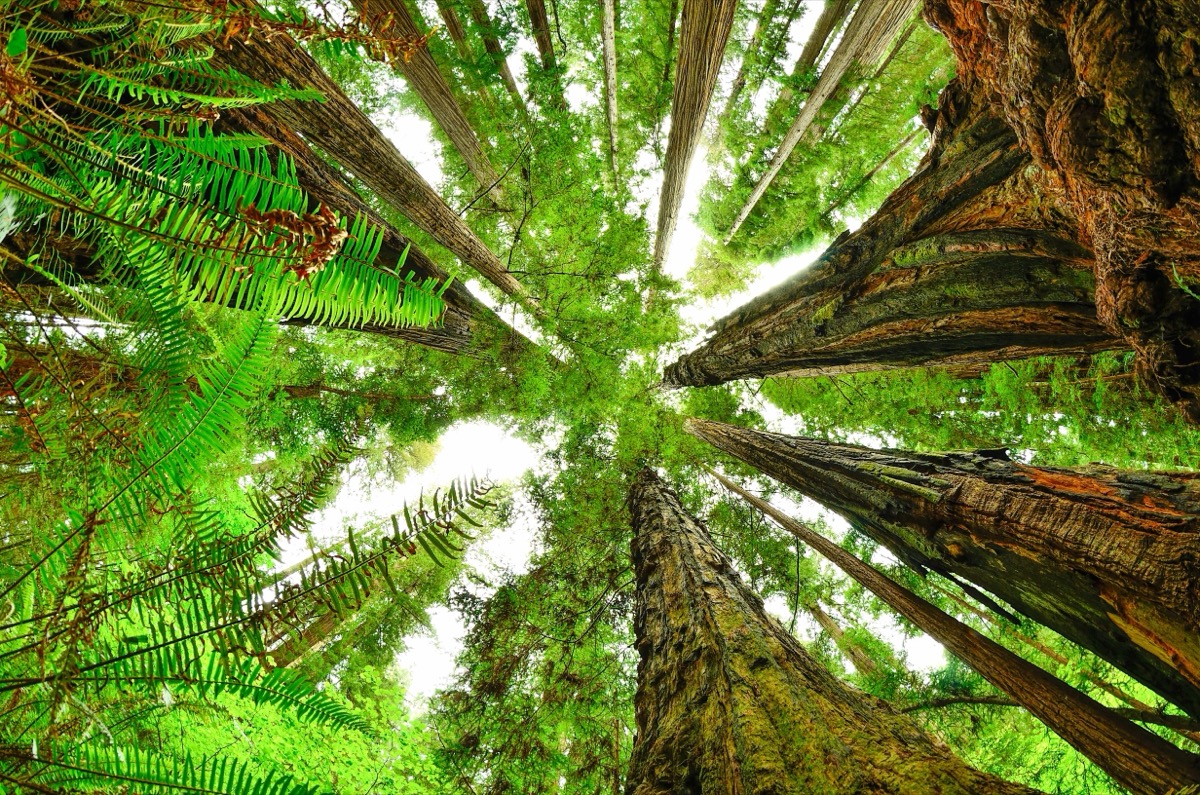
Redwood National and State Parks
The world's tallest trees stand in groves you can walk through on level trails, three hours north of San Francisco with a third the crowds.
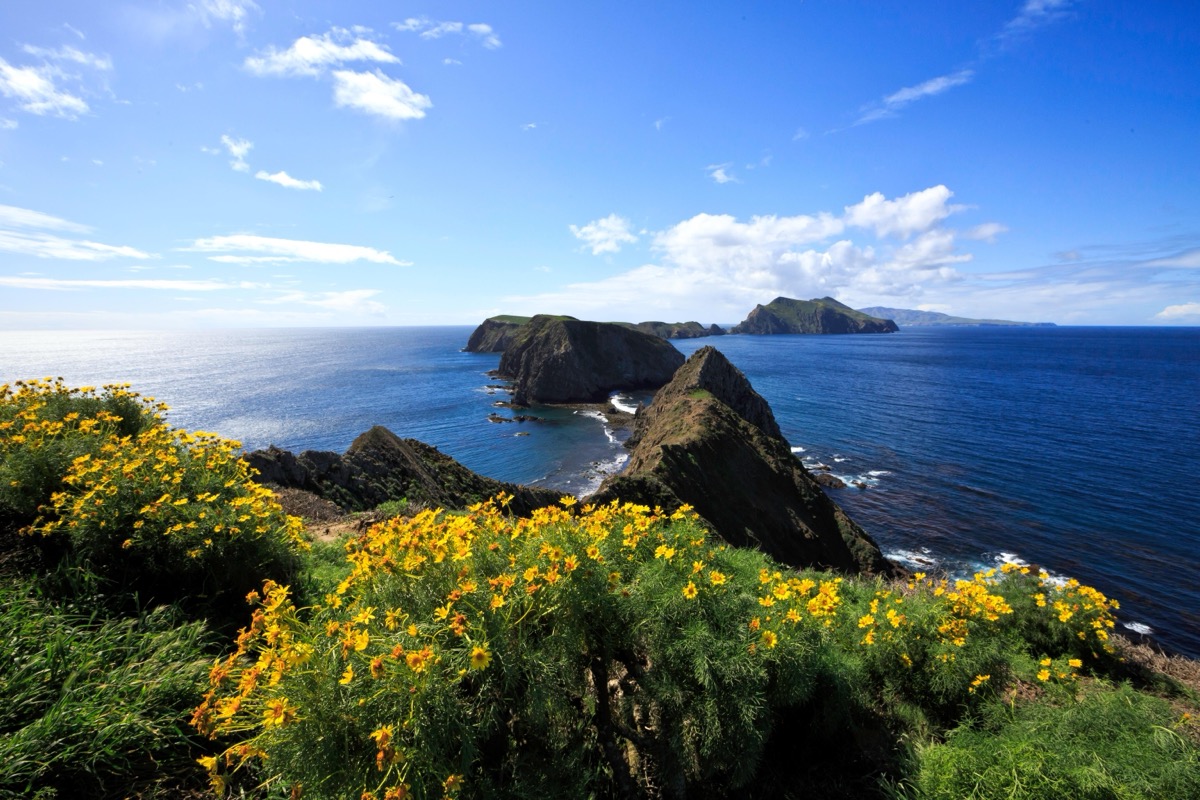
Channel Islands National Park
California's Galápagos lies 12 miles offshore with 145 endemic species. Sea lions, island foxes, and rare seabirds inhabit five islands.

Hot Springs National Park
Hot Springs' 143-degree thermal water flows through historic bathhouses where health seekers once shared sidewalks with gangsters.