Category Ranking
Best National Parks for Stargazing in Winter
Top parks for stargazing during winter, ranked by a composite of activity quality and seasonal conditions.
Updated
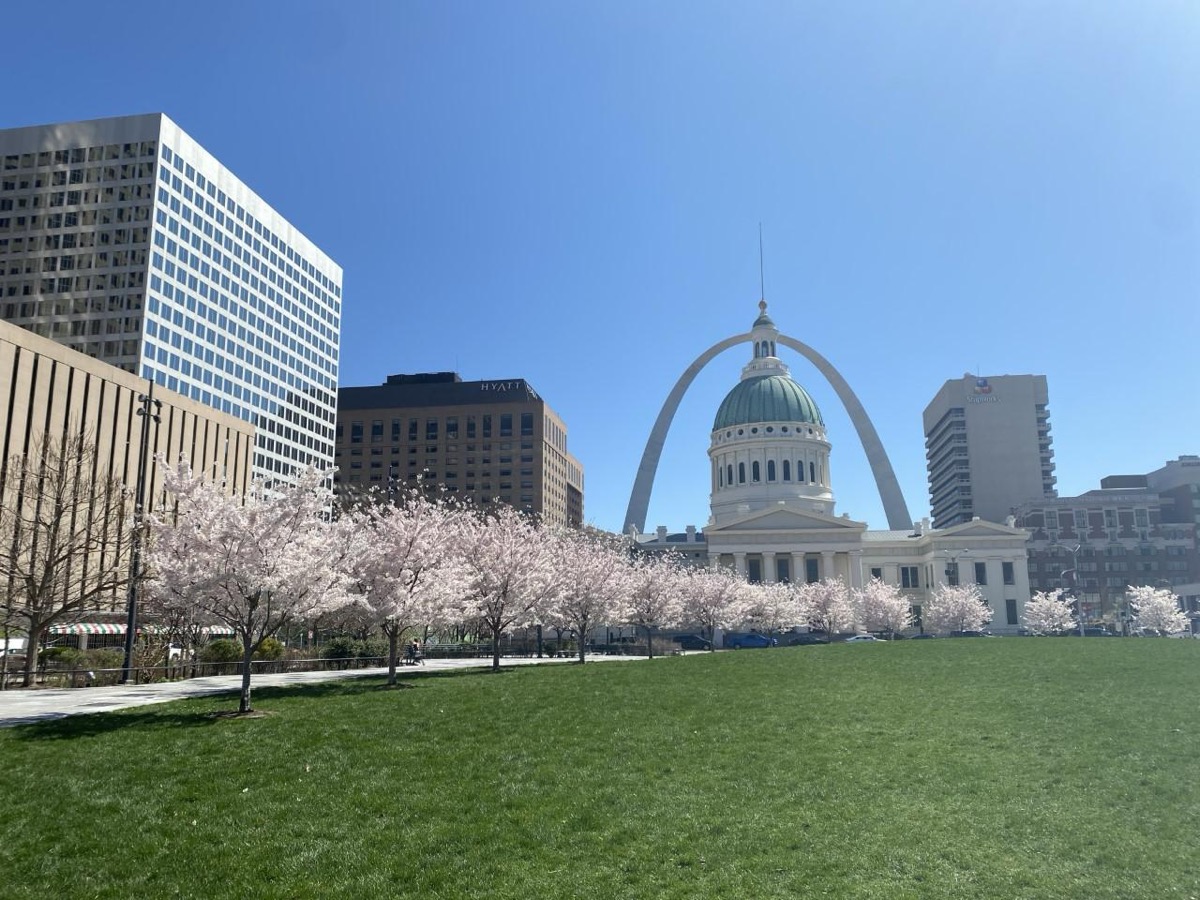
Gateway Arch National Park
Gateway Arch National Park is 0.14 square miles of westward expansion history beneath a 630-foot steel monument with three million visitors.
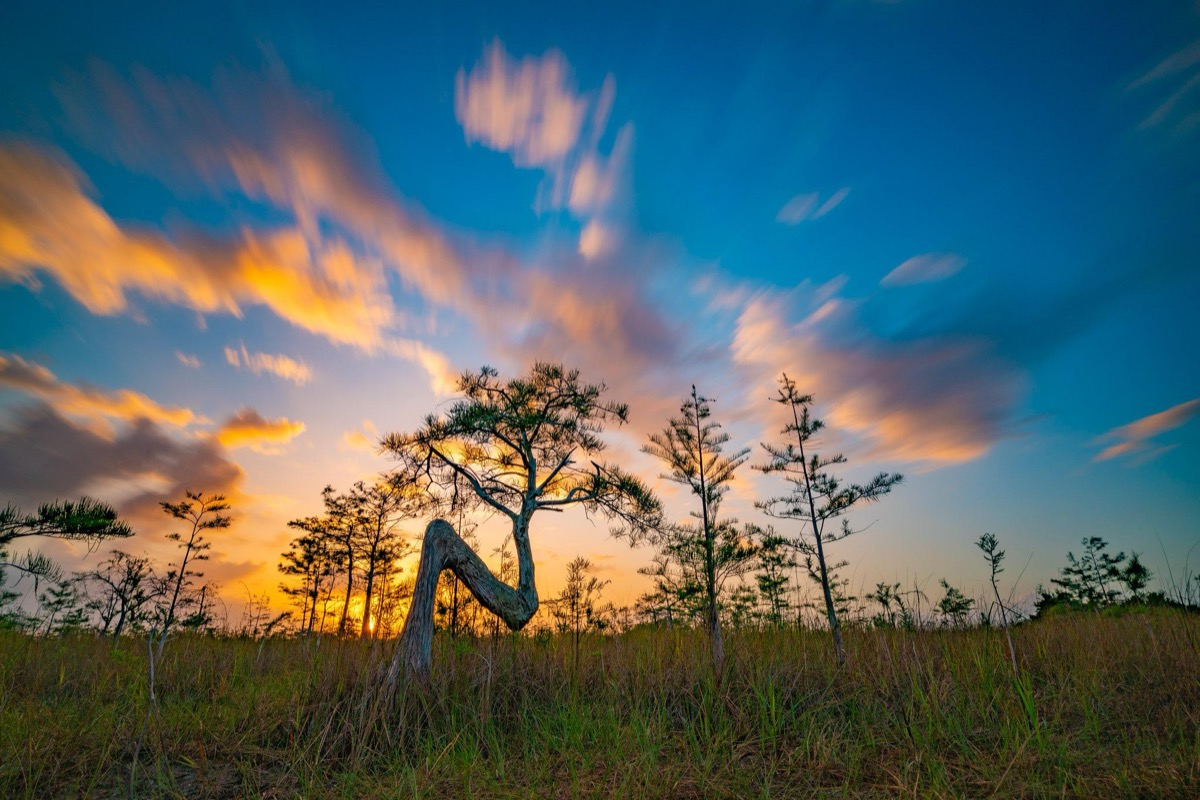
Everglades National Park
America's largest subtropical wilderness—a slow-moving river creating sawgrass marshes, mangrove islands, and alligator habitat.
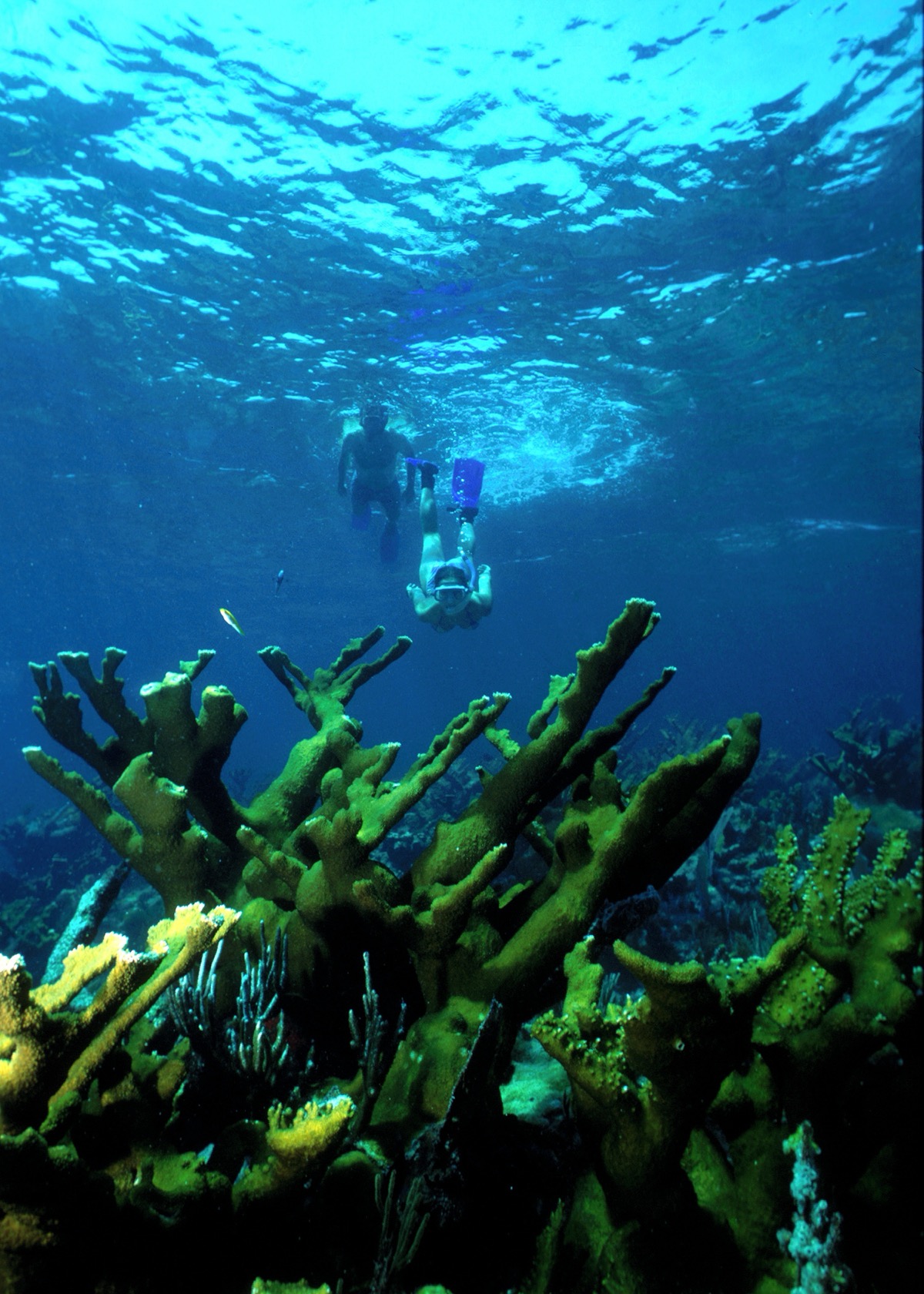
Biscayne National Park
Miami's skyline floats on the horizon while you snorkel over the continental United States' only living coral reef system.

Hot Springs National Park
Hot Springs' 143-degree thermal water flows through historic bathhouses where health seekers once shared sidewalks with gangsters.
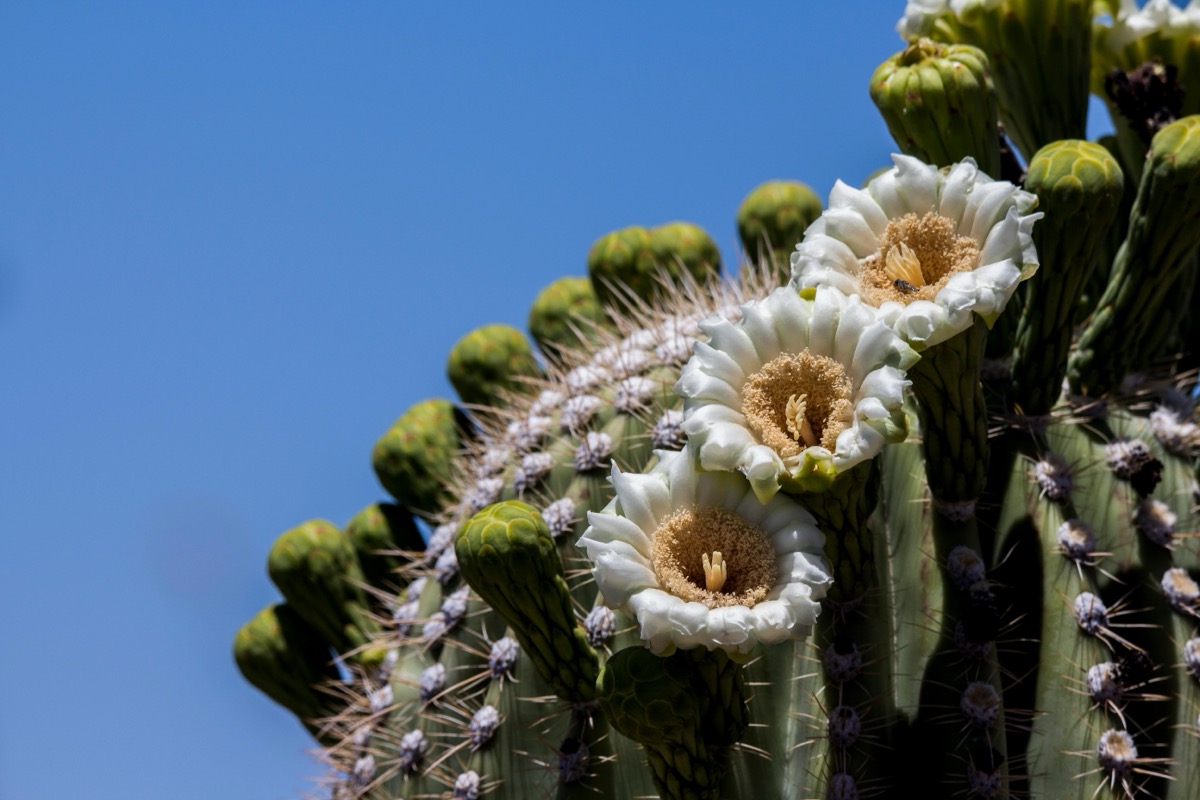
Saguaro National Park
Giant saguaros, some 200 years old and 40 feet tall, frame both sides of Tucson in the densest stands of these iconic cacti anywhere.
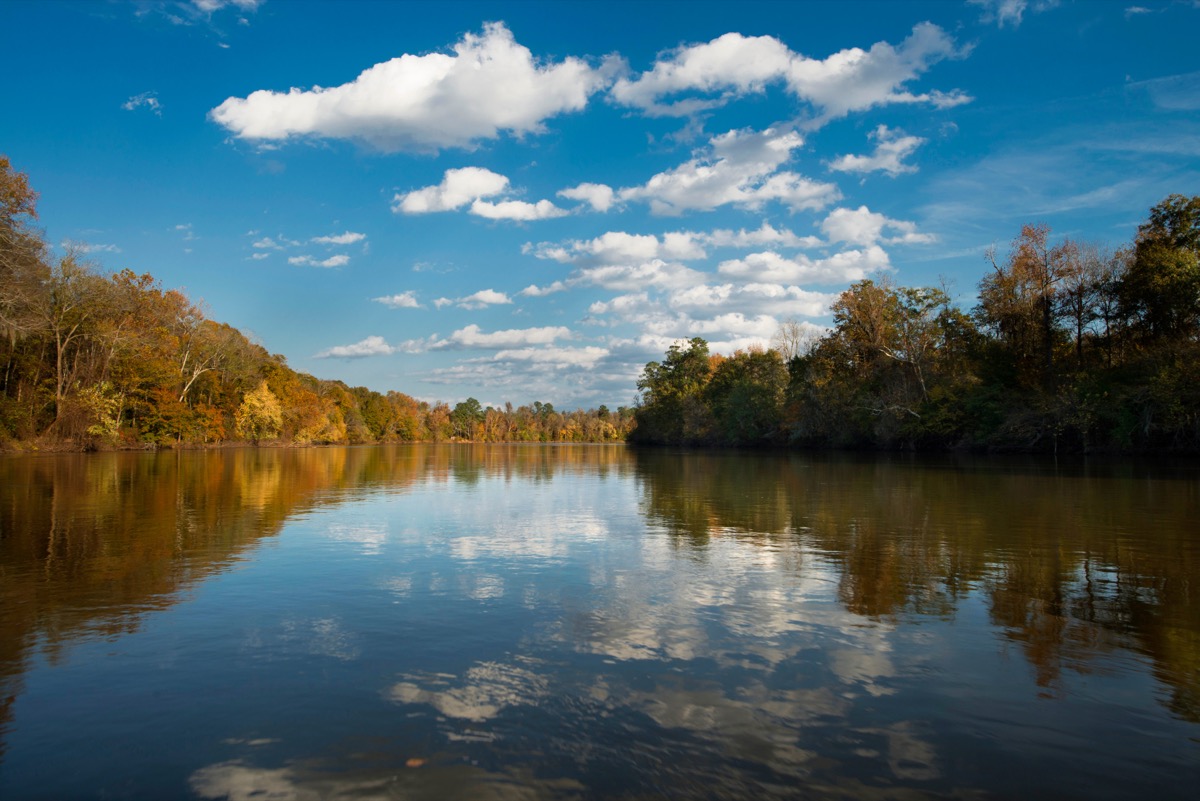
Congaree National Park
The largest old-growth bottomland hardwood forest in the Southeast protects champion trees you'll reach via elevated boardwalk.
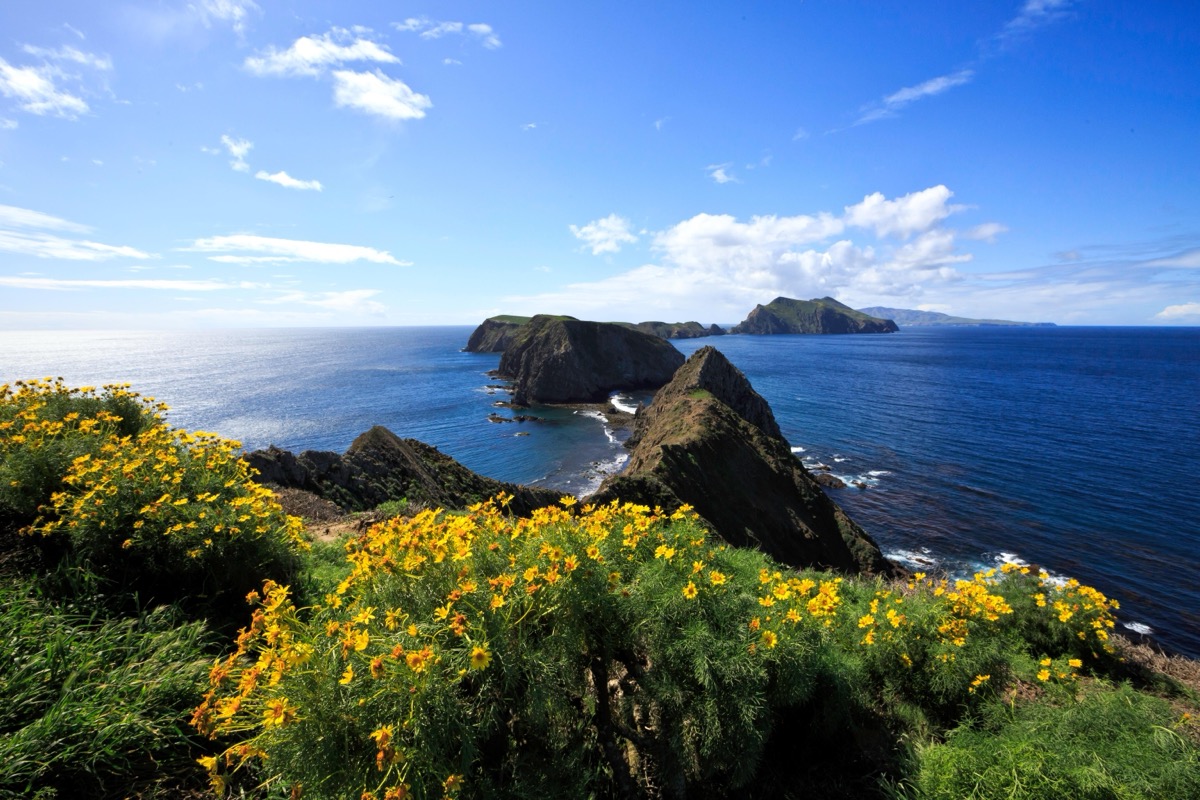
Channel Islands National Park
California's Galápagos lies 12 miles offshore with 145 endemic species. Sea lions, island foxes, and rare seabirds inhabit five islands.
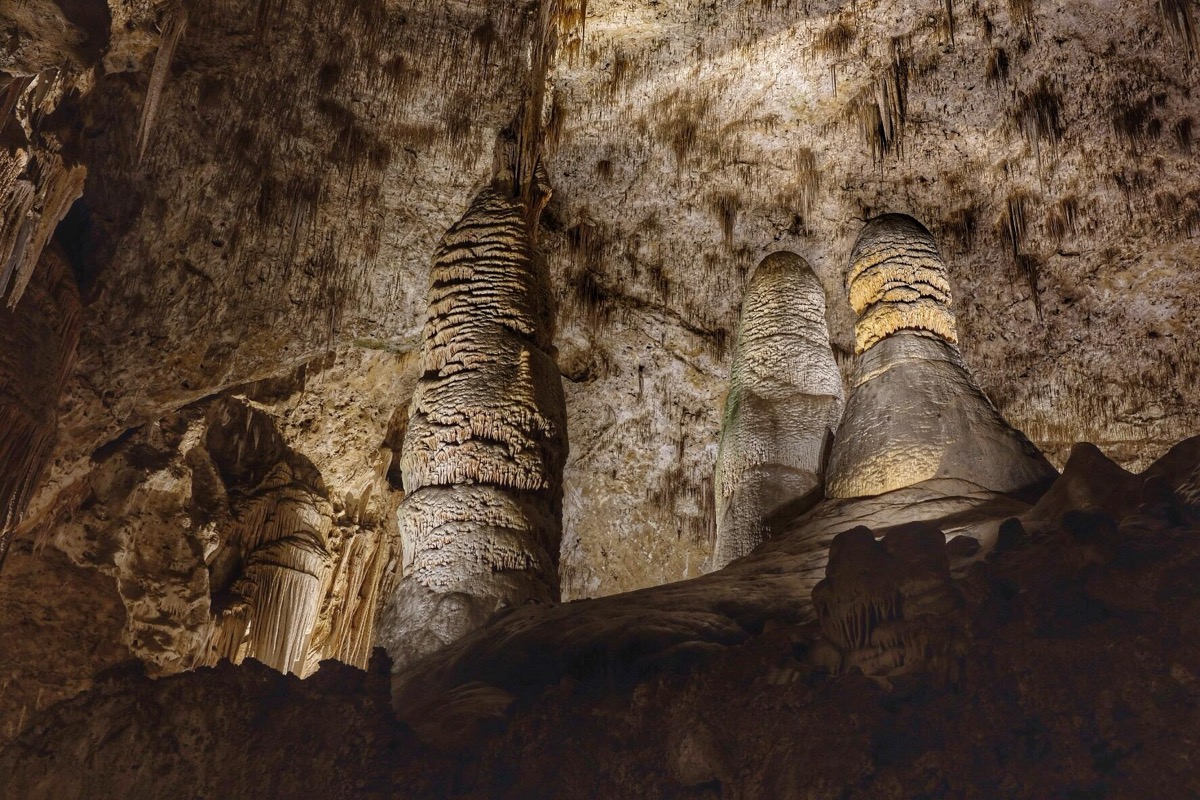
Carlsbad Caverns National Park
A 600-foot limestone cavern beneath the Chihuahuan Desert, carved by sulfuric acid rather than water, where 400,000 bats spiral out at dusk.
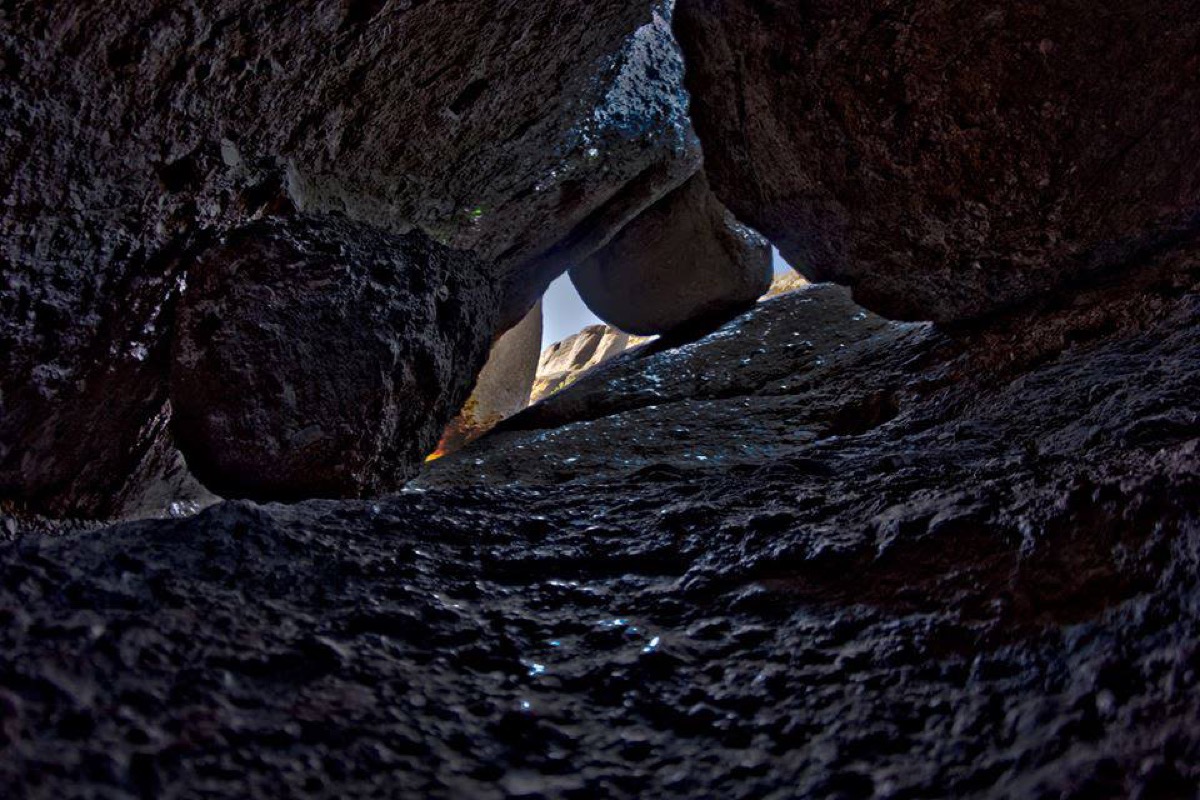
Pinnacles National Park
Volcanic spires rise above talus caves where you can crawl through darkness on designated routes. Half of Yosemite's crowds.
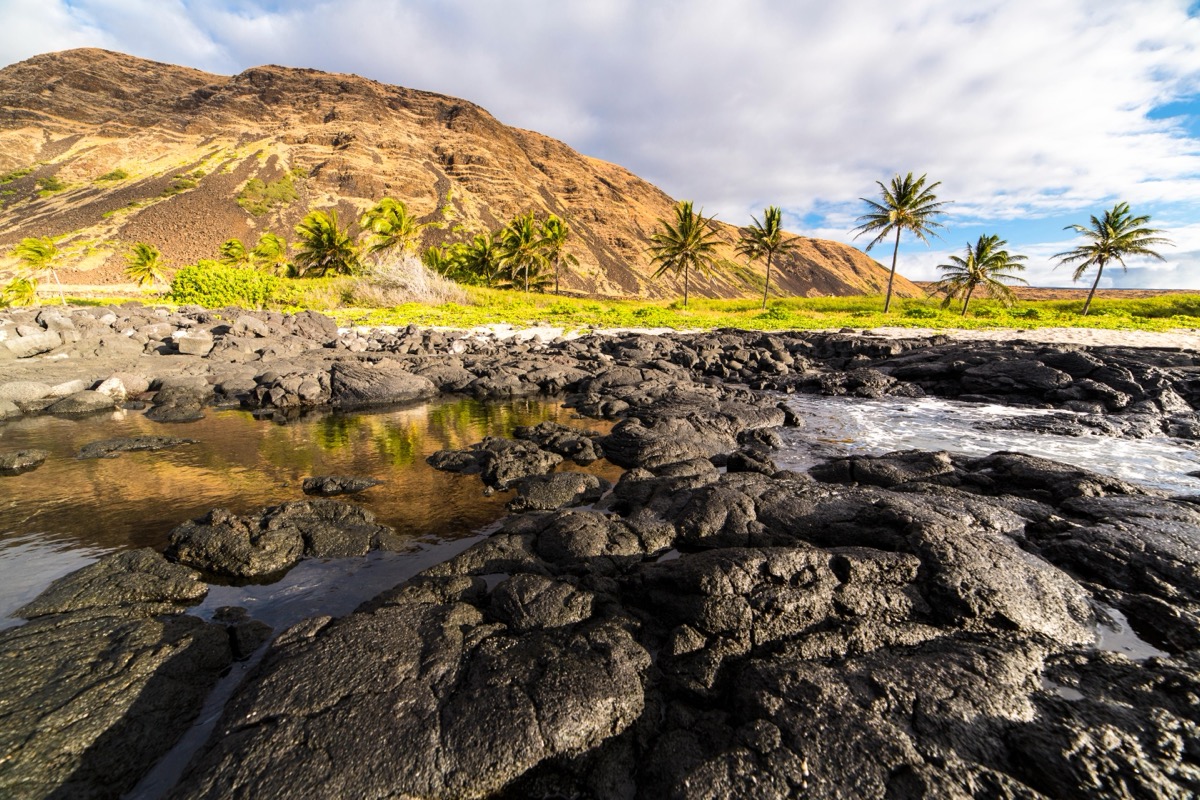
Hawaiʻi Volcanoes National Park
Two active volcanoes shape terrain from tide pools to alpine desert. Walk across recent lava flows and through rainforests on ancient rock.