Browse every park with crowd levels, key stats, and honest assessments.
62 parks
ME
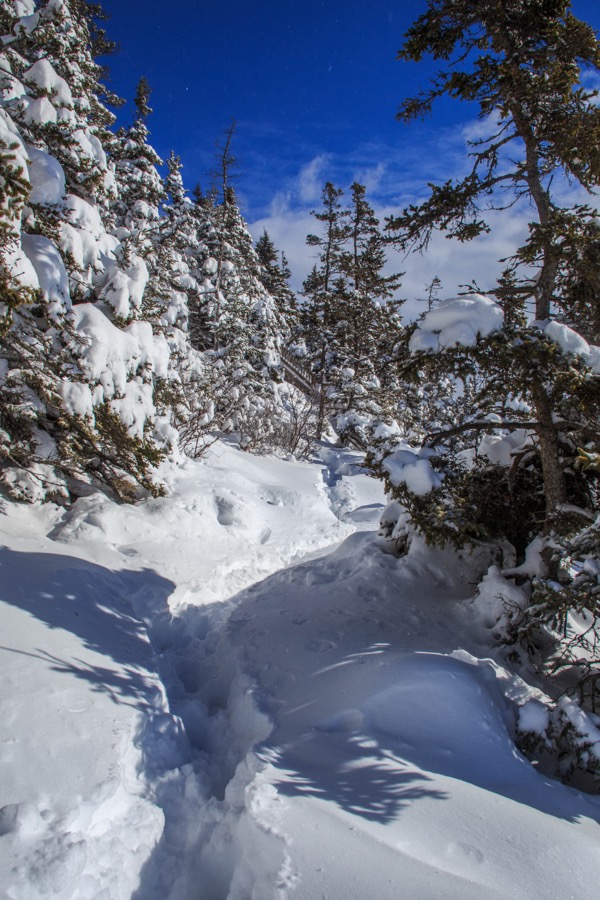
Rocky Atlantic coast crowned by Cadillac Mountain, first sunrise in the US. Granite peaks meet the ocean through 158 miles of trails.
UT
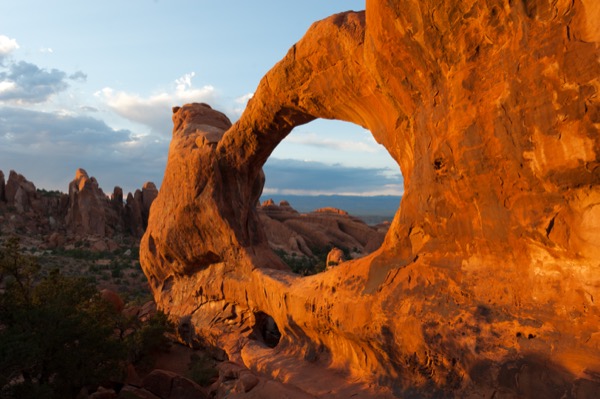
Over 2,000 natural stone arches carved from red sandstone—the world's highest concentration—including the iconic Delicate Arch.
SD
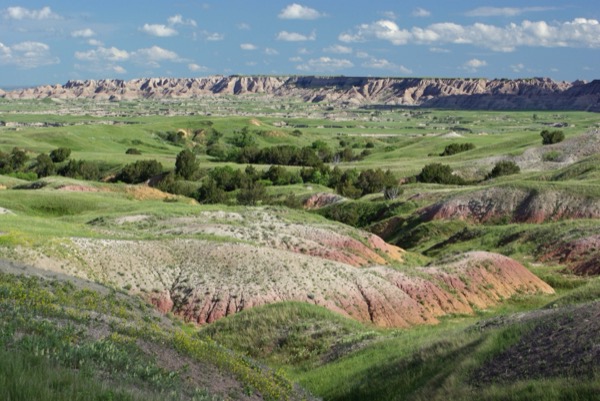
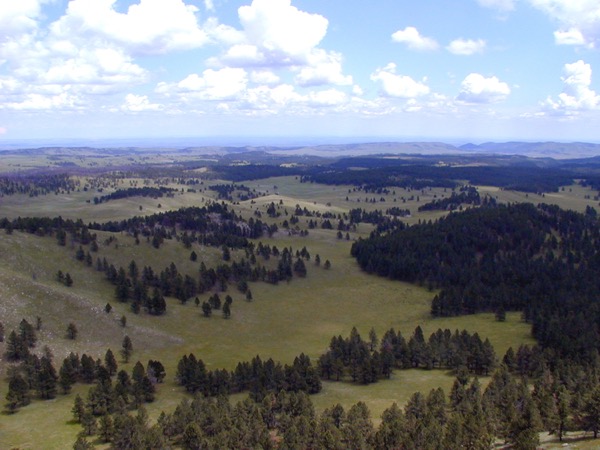
A 65-million-year vertical slice through time where fossil beds document ancient rhinos weathering into lunar-white spires.
TX
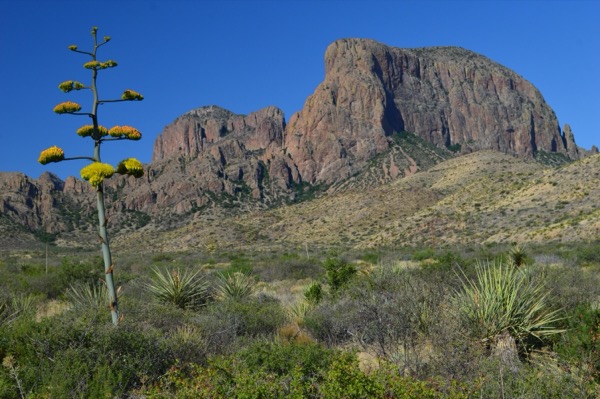
Big Bend protects 1,200 square miles where the Chisos Mountains rise from desert. Over 450 bird species recorded—more than any park.
FL
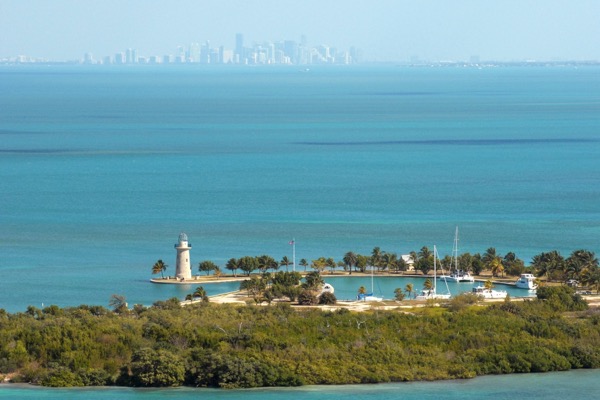
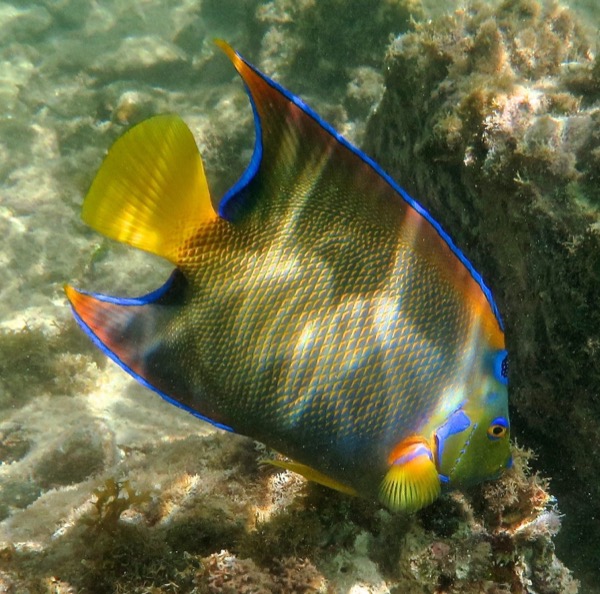
Miami's skyline floats on the horizon while you snorkel over the continental United States' only living coral reef system.
CO
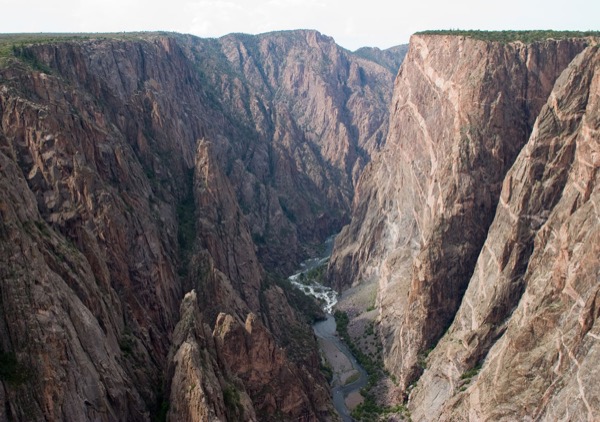
Gunnison River carved North America's steepest gorge through 1.7-billion-year-old rock, with 2,000-foot walls that trap the sun.
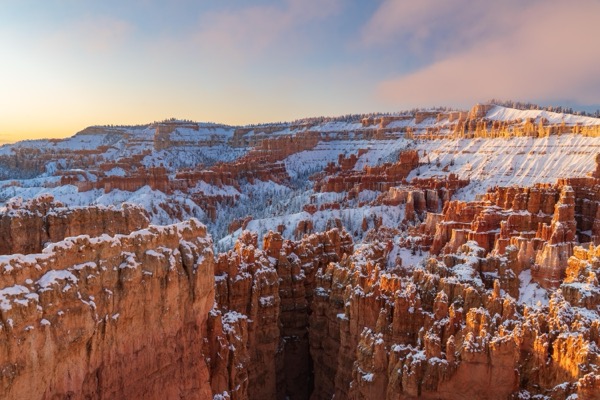
Earth's densest hoodoo forest where the Navajo Loop drops you between orange spires so narrow you'll touch both walls at 8,000 feet.
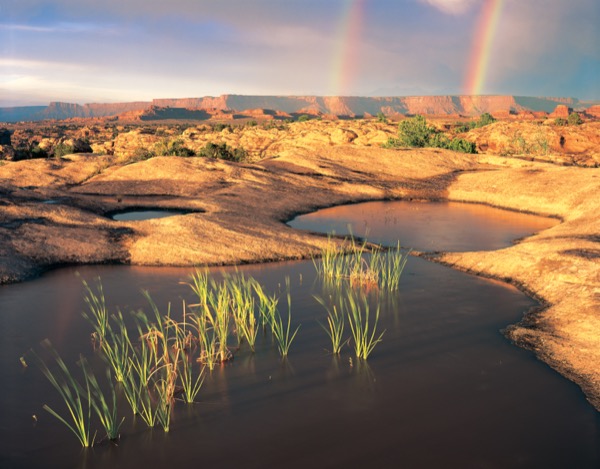
Four districts carved by the Colorado River—from Island in the Sky's overlooks to The Maze's backcountry spanning canyons larger than LA.
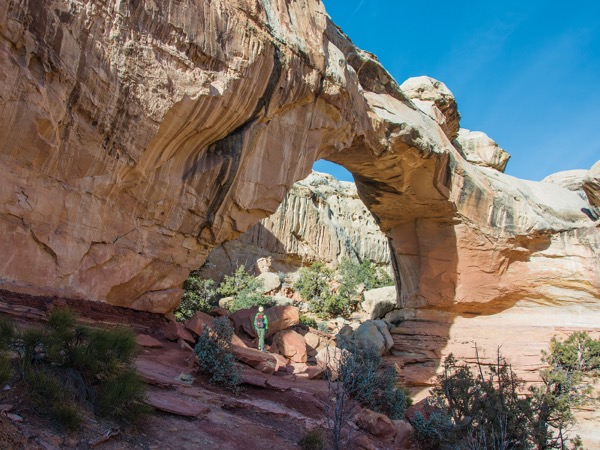
A hundred-mile wrinkle in the earth where sandstone cliffs fold into hidden canyons and pioneer orchards still grow beneath Capitol Dome.
NM
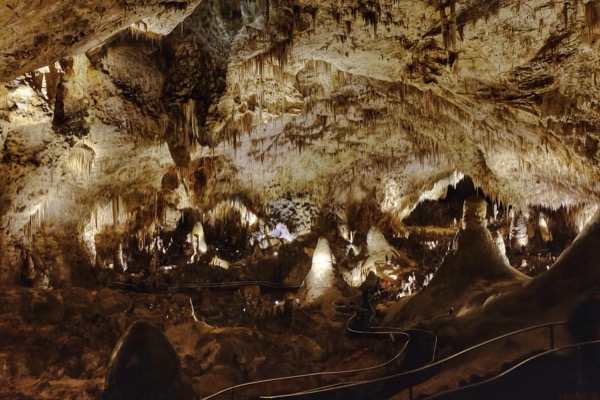
A 600-foot limestone cavern beneath the Chihuahuan Desert, carved by sulfuric acid rather than water, where 400,000 bats spiral out at dusk.
CA
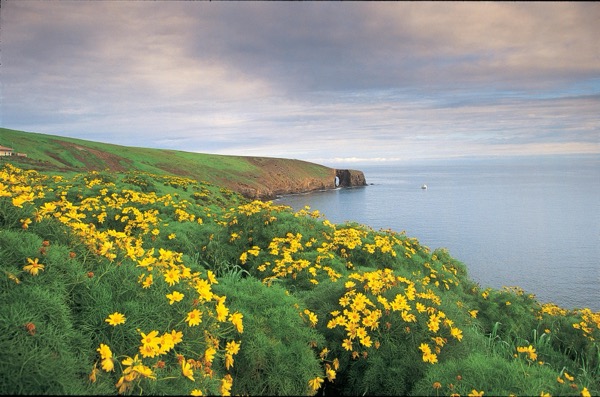
California's Galápagos lies 12 miles offshore with 145 endemic species. Sea lions, island foxes, and rare seabirds inhabit five islands.
SC
The largest old-growth bottomland hardwood forest in the Southeast protects champion trees you'll reach via elevated boardwalk.
OR
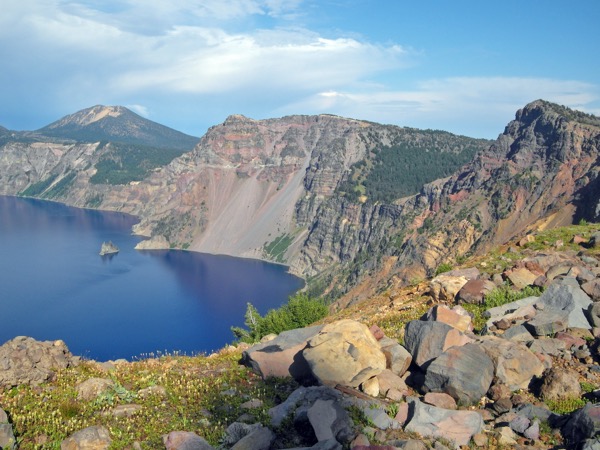
America's deepest lake fills a volcanic caldera with water so pure scientists use it as a baseline. The 33-mile Rim Road circles the crater.
OH
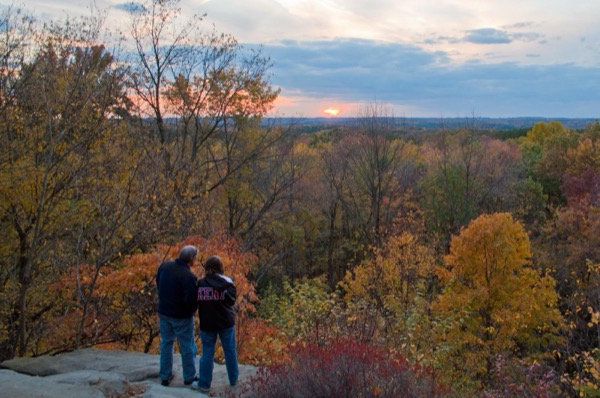
The Ohio & Erie Canal towpath runs 20 miles along the Cuyahoga River, past 65-foot Brandywine Falls and glacial rock ledges.
CA, NV
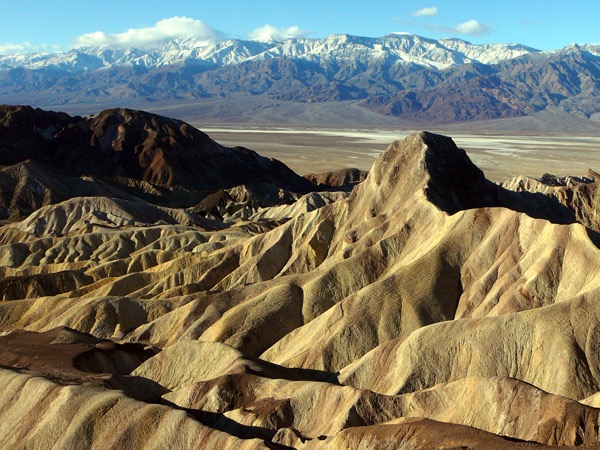
Death Valley's salt flats, singing dunes, and moving rocks reward October-to-April visitors with cooler temps and wildflower blooms.
AK
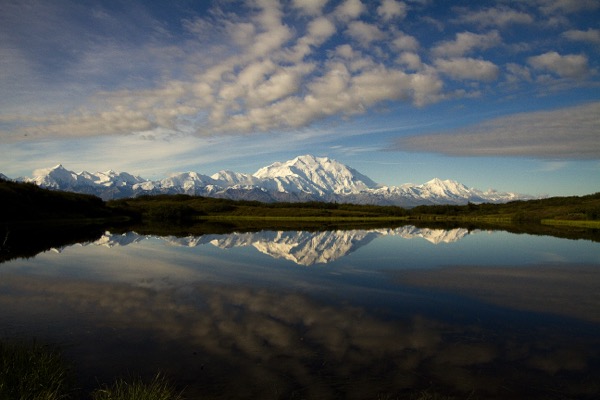
North America's tallest peak anchors six million acres where one road separates you from wilderness and grizzlies outnumber summit-spotters.
Seven coral islands 70 miles west of Key West, anchored by Fort Jefferson—a massive 19th-century fort that was never finished or fired upon.
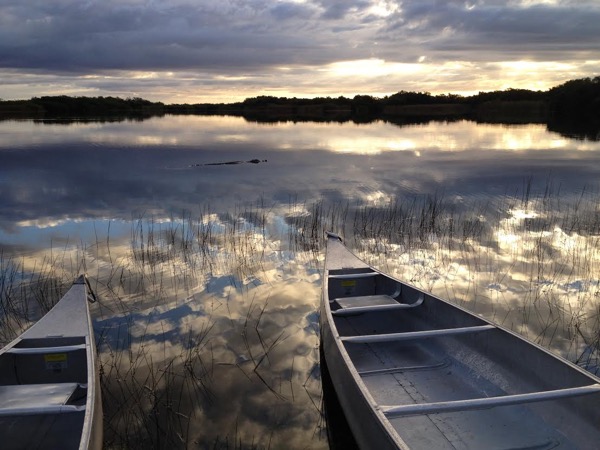
America's largest subtropical wilderness—a slow-moving river creating sawgrass marshes, mangrove islands, and alligator habitat.
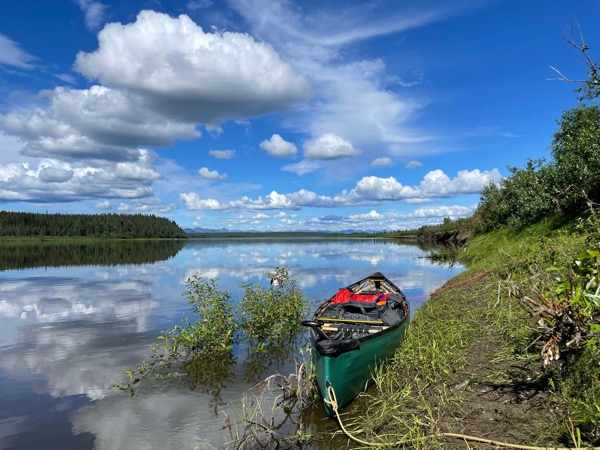
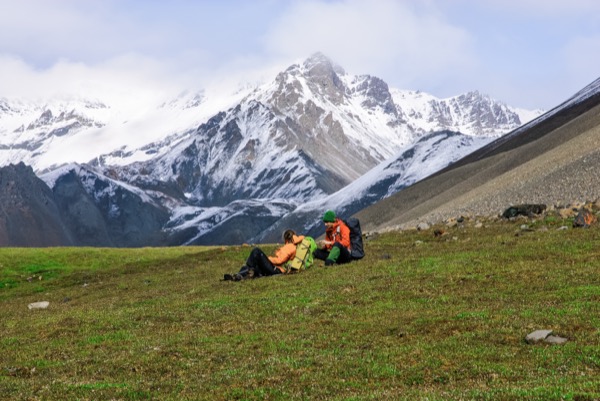
Six million acres where caribou migrations follow ancient routes and the Brooks Range rises through valleys most will never reach.
MO
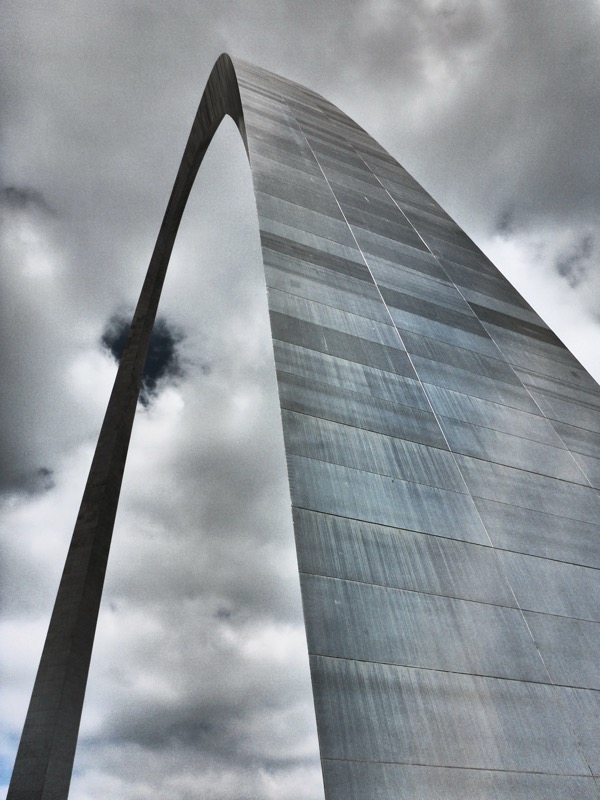
Gateway Arch National Park is 0.14 square miles of westward expansion history beneath a 630-foot steel monument with three million visitors.
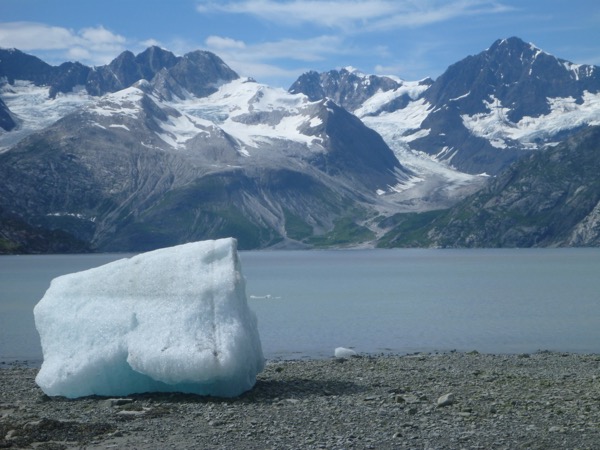
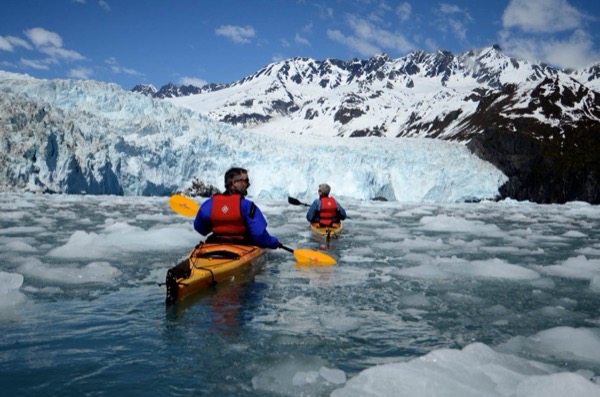
Fifteen tidewater glaciers calve into a 65-mile fjord where humpback whales surface within camera range, reachable only by boat or plane.
MT
Twenty-six glaciers remain from the 150 that once filled these valleys. Going-to-the-Sun Road climbs past Logan Pass to the evidence.
AZ
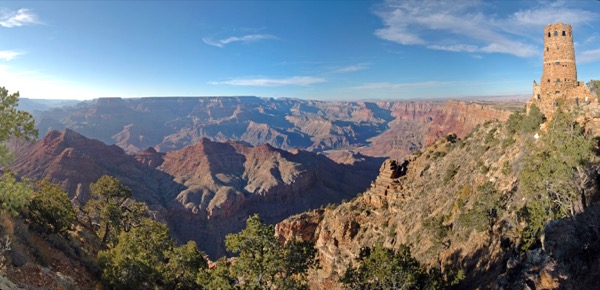
The Colorado River carved through two billion years of rock to create a chasm one mile deep and 277 miles long at the South Rim.
WY
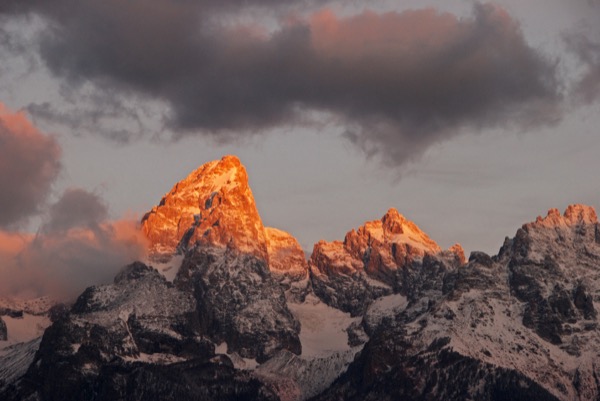
The Tetons rise 7,000 feet without foothills—granite and glaciers visible from every corner of Jackson Hole. Thirteen peaks top 12,000 feet.
NV
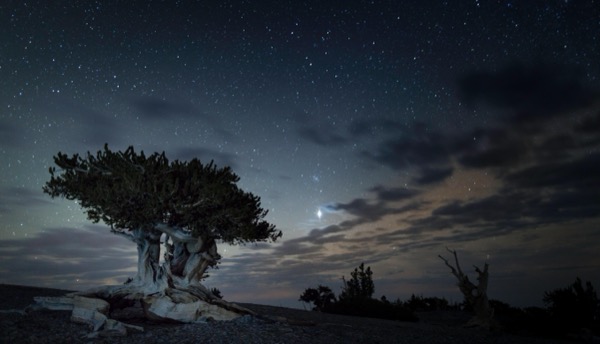
Wheeler Peak towers over one of America's emptiest parks, where marble caves and alpine lakes sit hours from the nearest traffic jam.
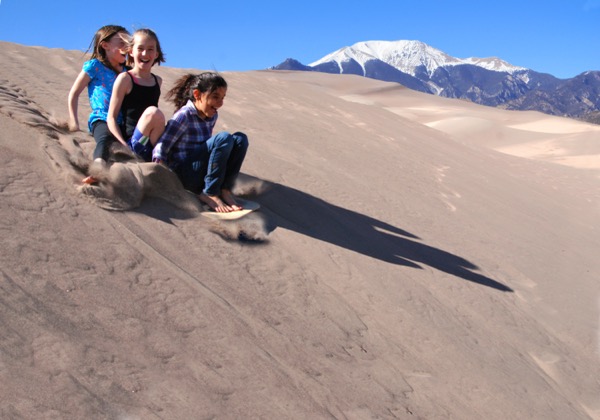
North America's tallest sand dunes rise 750 feet against the Sangre de Cristo Mountains, with alpine lakes and tundra at 13,000 feet above.
NC, TN
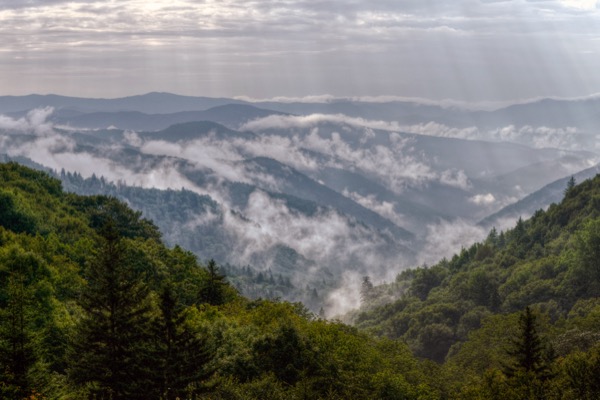
America's most-visited park offers 850 miles of trails, historic farmsteads in Cades Cove, and the continent's salamander capital.
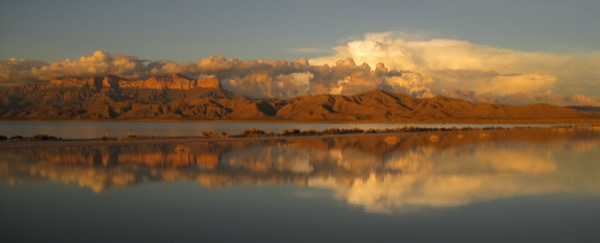
Texas's highest peaks rise from a 265-million-year-old fossil reef in the Chihuahuan Desert, holding more species than any Texas park.
HI
A dormant volcano where you stand above the clouds at 10,000 feet, then descend through alpine desert to rainforest in a single morning.
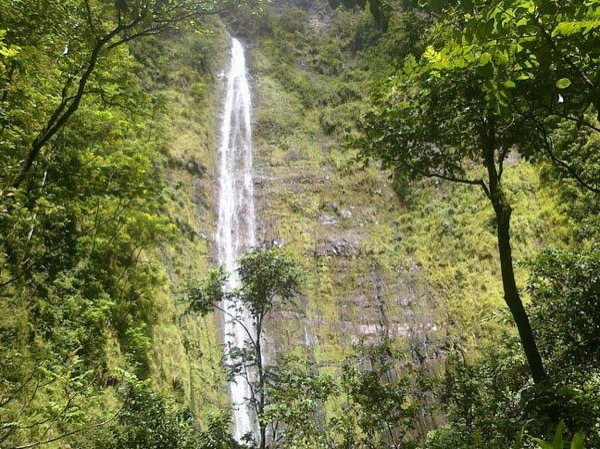
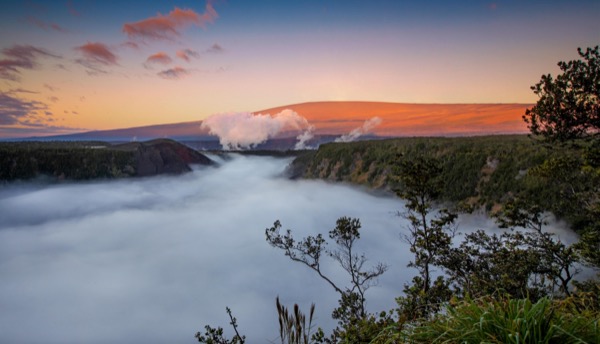
Two active volcanoes shape terrain from tide pools to alpine desert. Walk across recent lava flows and through rainforests on ancient rock.
AR
Hot Springs' 143-degree thermal water flows through historic bathhouses where health seekers once shared sidewalks with gangsters.
IN
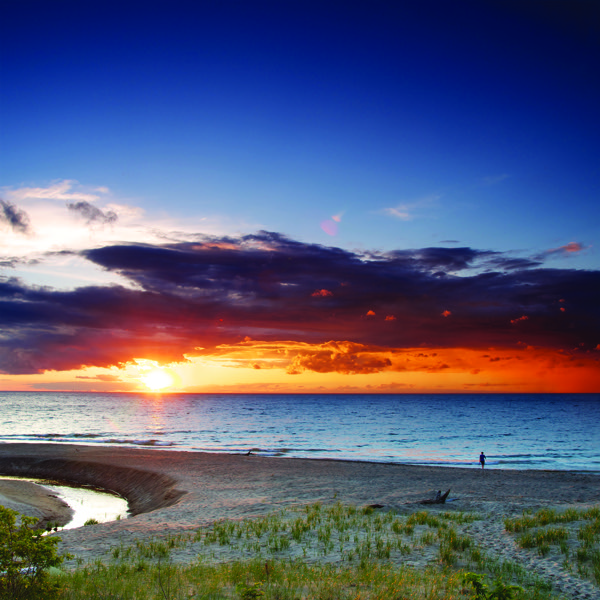
Lake Michigan's wind built these dunes into the park system's highest plant biodiversity—over 1,100 species on 15 miles of Indiana shore.
MI
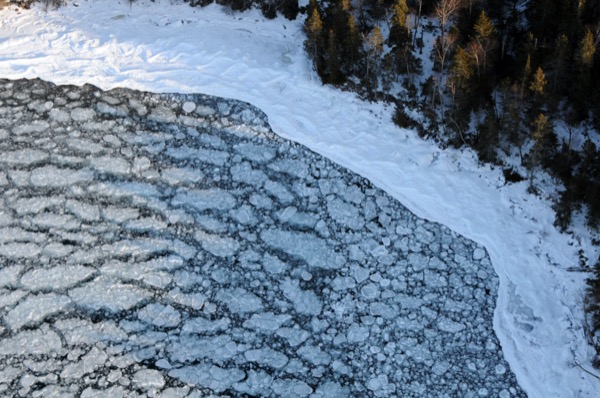
Remote Lake Superior island where wolves, moose, and backpackers share 165 miles of trail. No roads, no cell service—just forest camps.
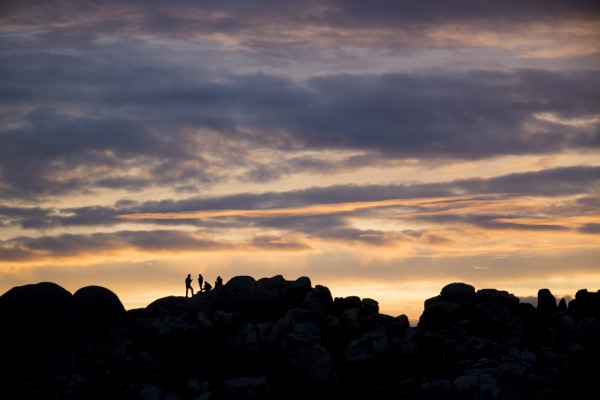
Two desert ecosystems meet where the Mojave's yuccas give way to the Colorado's slopes and granite formations split by ancient forces.
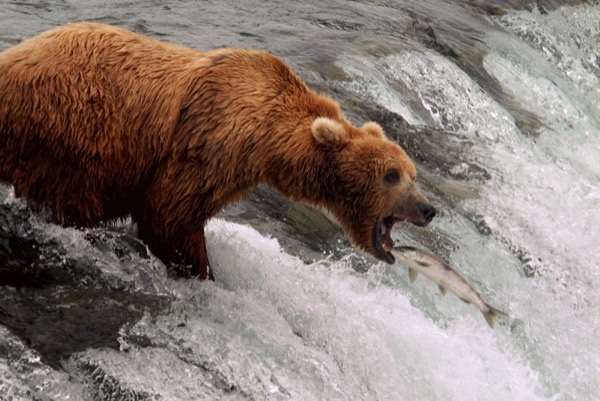
Brooks Falls draws 2,200 brown bears to its salmon runs—North America's largest protected population concentrated in one watershed.
Exit Glacier is the only glacier in Alaska you can reach by road, with retreat markers showing how fast the ice is vanishing.
Six hundred square miles of sand dunes rise from Arctic tundra, carved by 15,000-year-old winds still pushing them across permafrost.
Two active volcanoes, 42-mile glacial lake, and bears fishing roadless salmon streams you can only reach by floatplane.
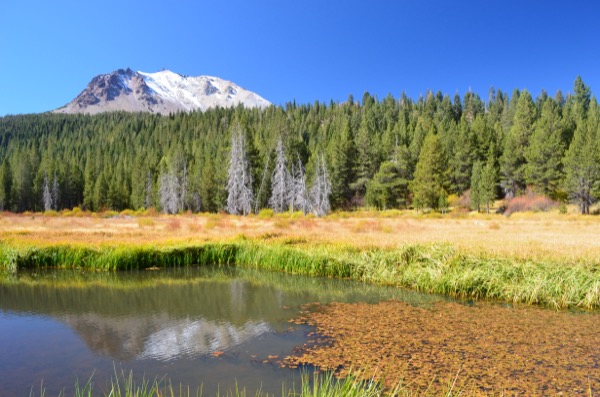
Lassen Peak's 1914-1917 eruptions left a volcanic laboratory where boiling mudpots and sulfurous vents still reshape the ground.
KY
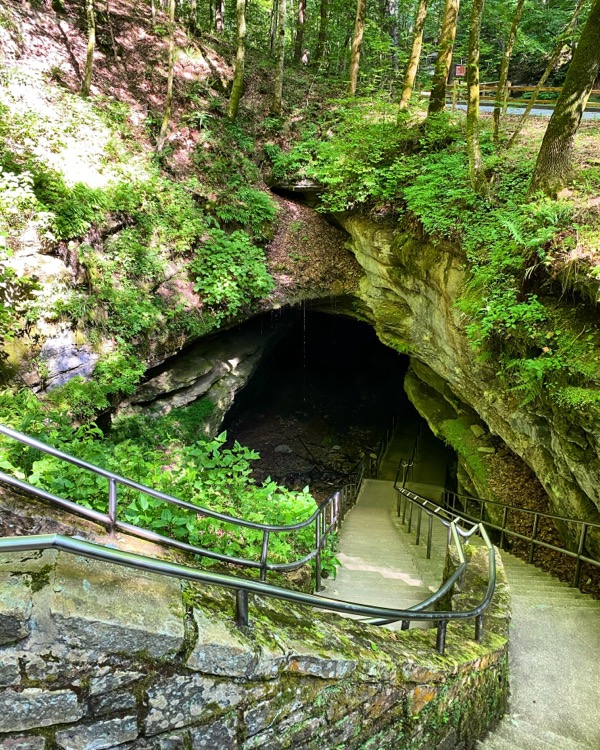
The world's longest cave system—over 400 miles mapped—lies beneath Kentucky's limestone plateau, explored for over 200 years.
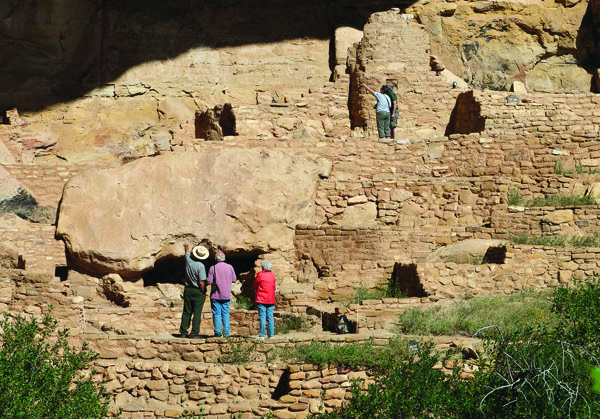
Seven hundred Ancestral Pueblo dwellings are carved into sandstone alcoves, including the 150-room Cliff Palace accessible by ladder.
WA
An active volcano cloaked in more glaciers than any Lower 48 peak, Mount Rainier spawns five major rivers from ice beginning at 14,410 feet.
AS
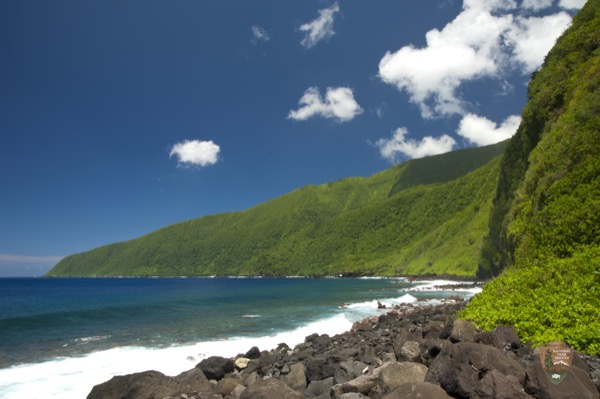
The only national park south of the equator protects volcanic peaks, coral reefs, and villages across three South Pacific islands.
WV
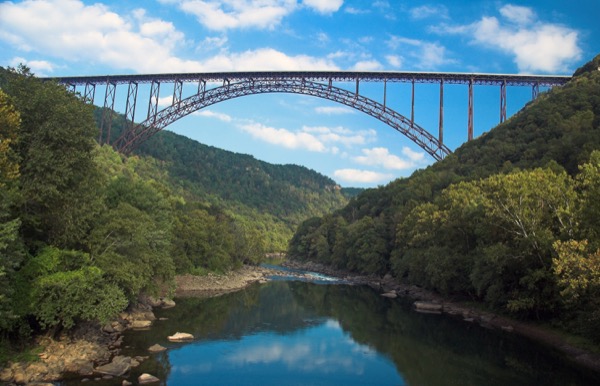
The East Coast's deepest river gorge cuts 1,000 feet through ancient rock, with Class V rapids and 100 miles of trails above.
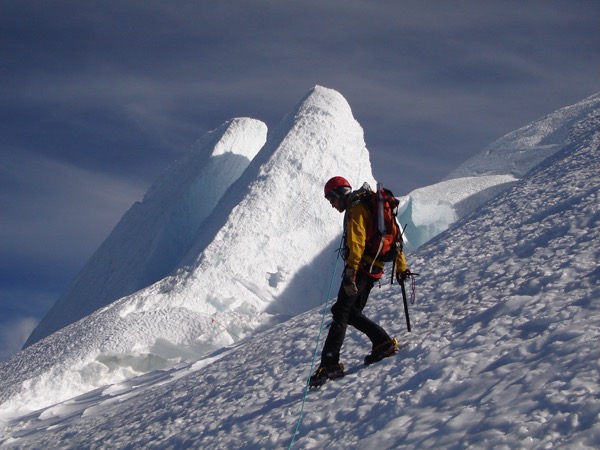
Three hundred glaciers carve through jagged peaks three hours north of Seattle, the most glaciated terrain in the Lower 48.
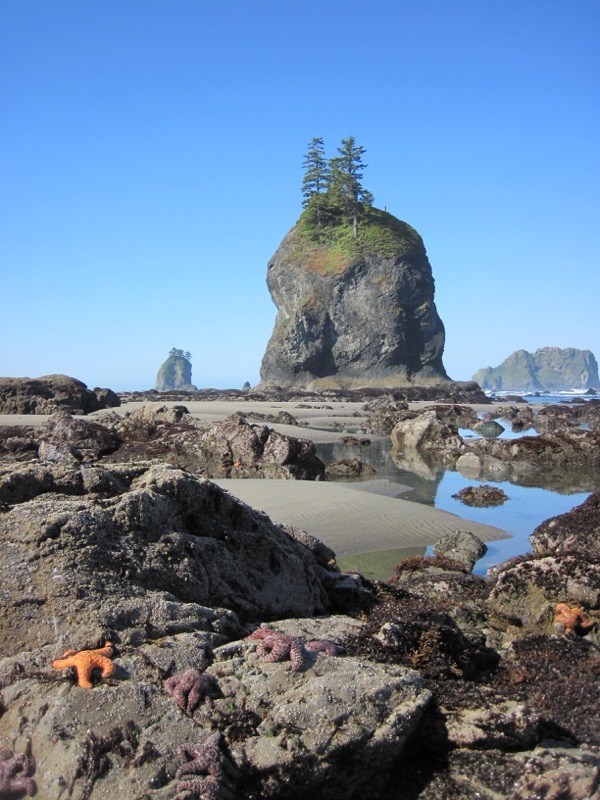
Olympic holds temperate rainforest, 73 miles of wild coast, and glacier-capped peaks—three ecosystems most parks never combine.
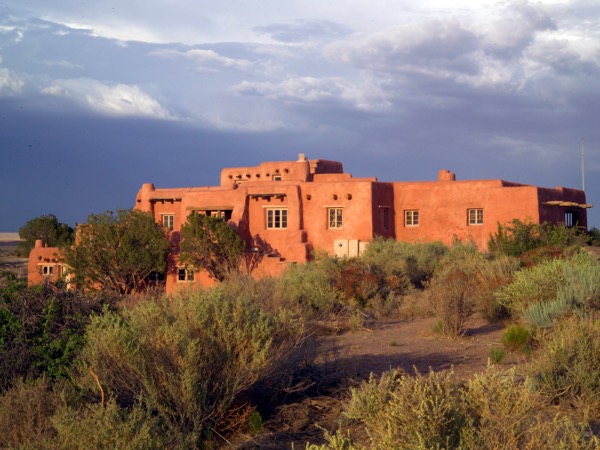
Twenty-eight miles of road through technicolor badlands where 225-million-year-old trees turned to stone sprawl wider than cars.
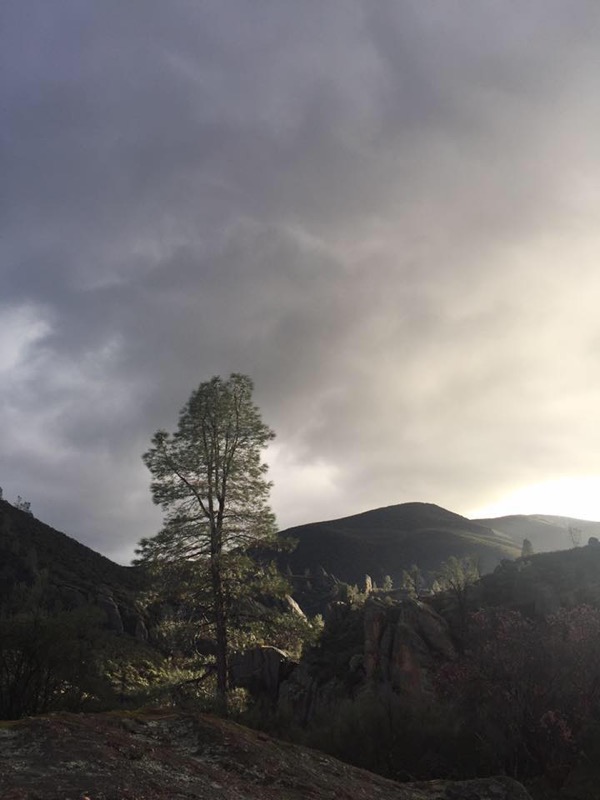
Volcanic spires rise above talus caves where you can crawl through darkness on designated routes. Half of Yosemite's crowds.
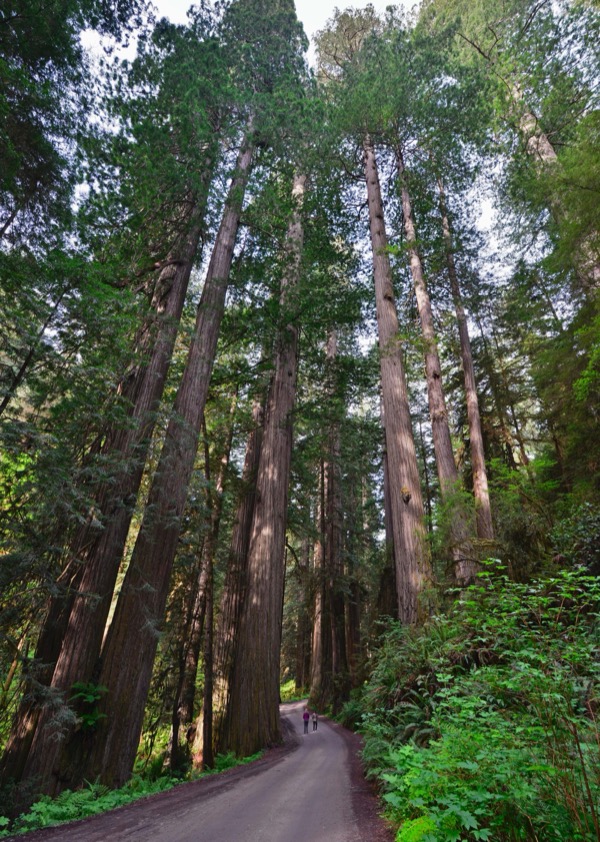
The world's tallest trees stand in groves you can walk through on level trails, three hours north of San Francisco with a third the crowds.
Trail Ridge Road crosses the Continental Divide at 12,183 feet. Below, 300 miles of trails connect glacial lakes to 14,259-foot Longs Peak.
Giant saguaros, some 200 years old and 40 feet tall, frame both sides of Tucson in the densest stands of these iconic cacti anywhere.
The giant sequoias here include General Sherman, the largest tree on Earth by volume, anchoring a forest where trunks exceed 30 feet wide.
VA
Skyline Drive traces 105 miles of Blue Ridge crests where 500 miles of trails drop into mountain hollows that were farmland a century ago.
ND
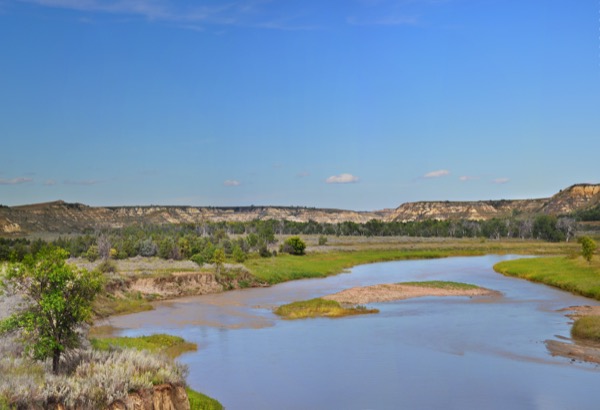
Roosevelt's badlands preserve eroded buttes, wild bison, and the solitude that turned a politician into America's conservation president.
VI
Two-thirds of St. John is protected parkland where coral reefs meet sugar plantation ruins and an underwater trail marks labeled coral.
MN
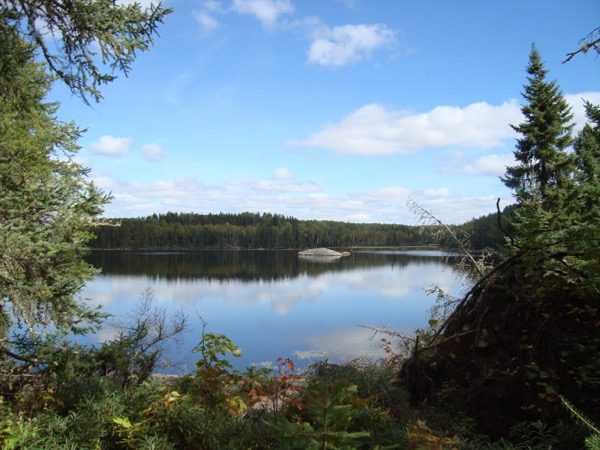
Four interconnected lakes form a water maze where boats replace roads through 340 square miles of boreal wilderness and scattered islands.
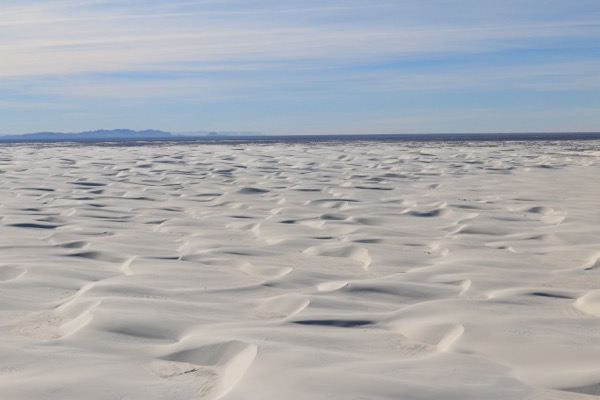
The world's largest gypsum dunefield covers 275 square miles where white sand dunes shift up to 30 feet per year and swallow ecosystems.
One of the world's longest caves sits beneath mixed-grass prairie where bison and elk roam. Most visitors spend an hour underground.
America's largest park holds nine of the continent's sixteen highest peaks, including Mount St. Elias, with glaciers you can drive to.
ID, MT, WY
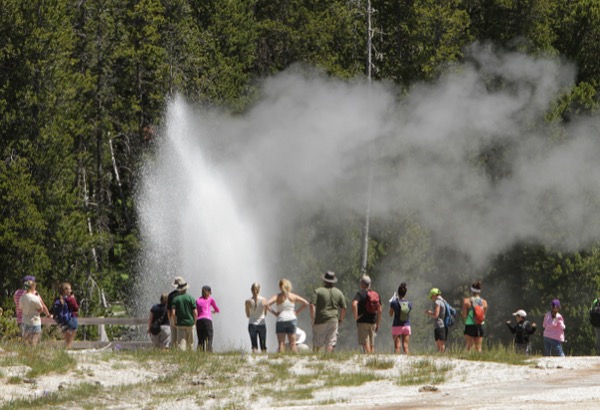
The world's first national park sits on a supervolcano where half of Earth's geysers erupt on schedule and bison herds cross roads freely.
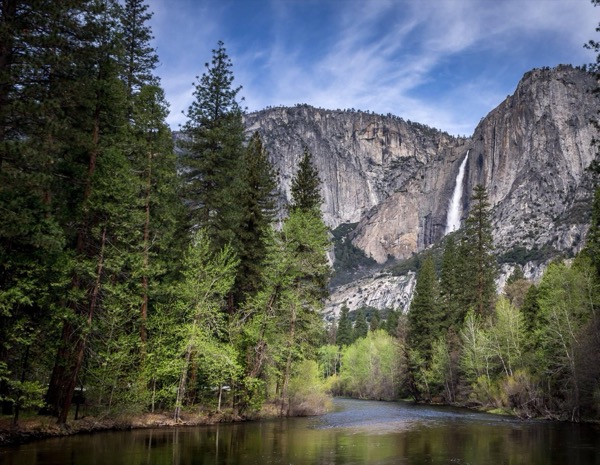
Granite cliffs rise 3,000 feet, seasonal waterfalls drop half a mile, and giant sequoias reach into the Sierra sky in this iconic valley.
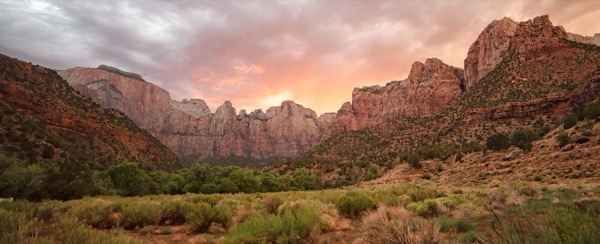
Red cliffs rise 2,000 feet above the Virgin River, where Angels Landing's chain climb and The Narrows' slot canyon wade draw crowds.