White Sands National Park
Updated
Overview
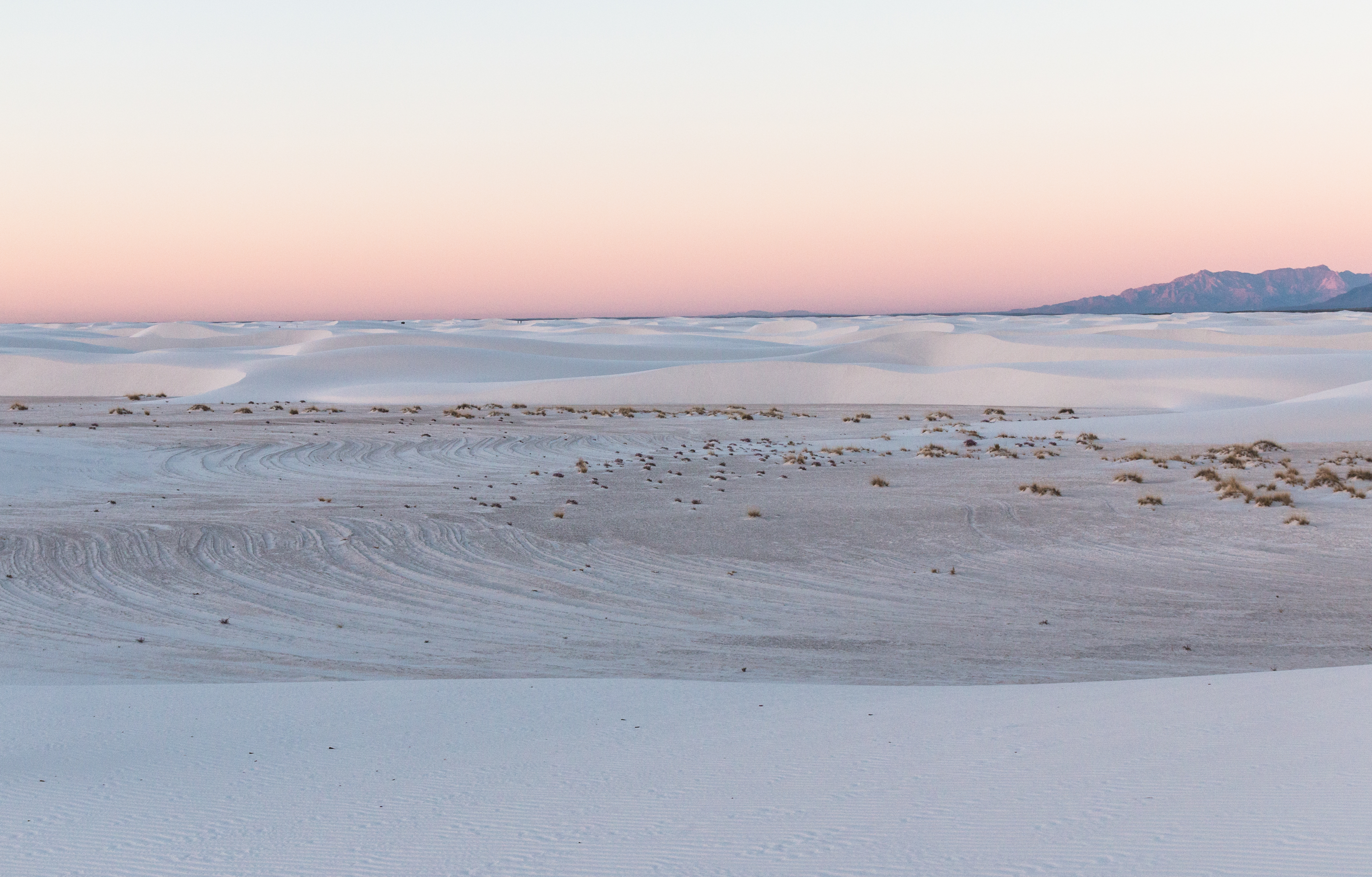
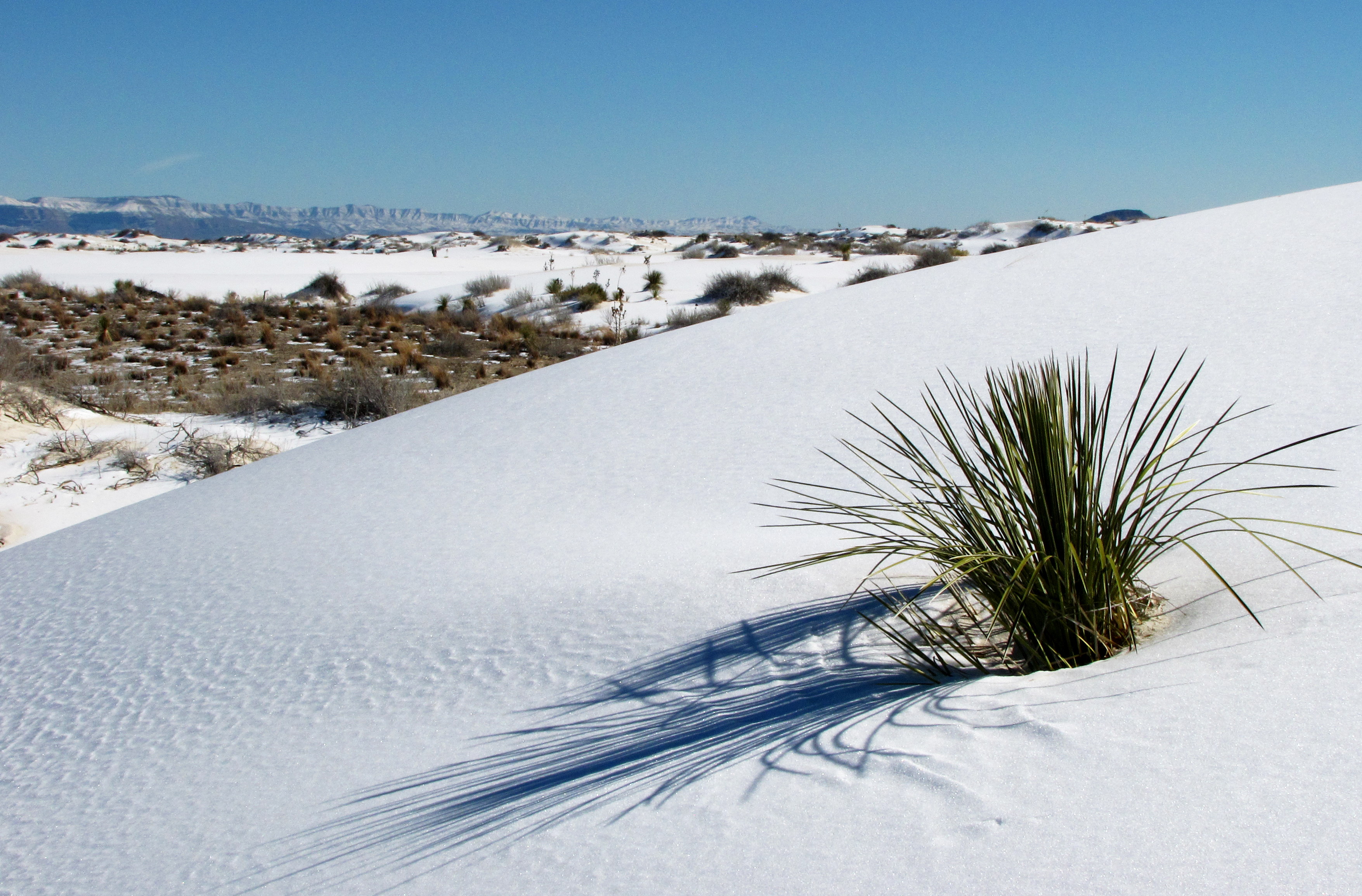
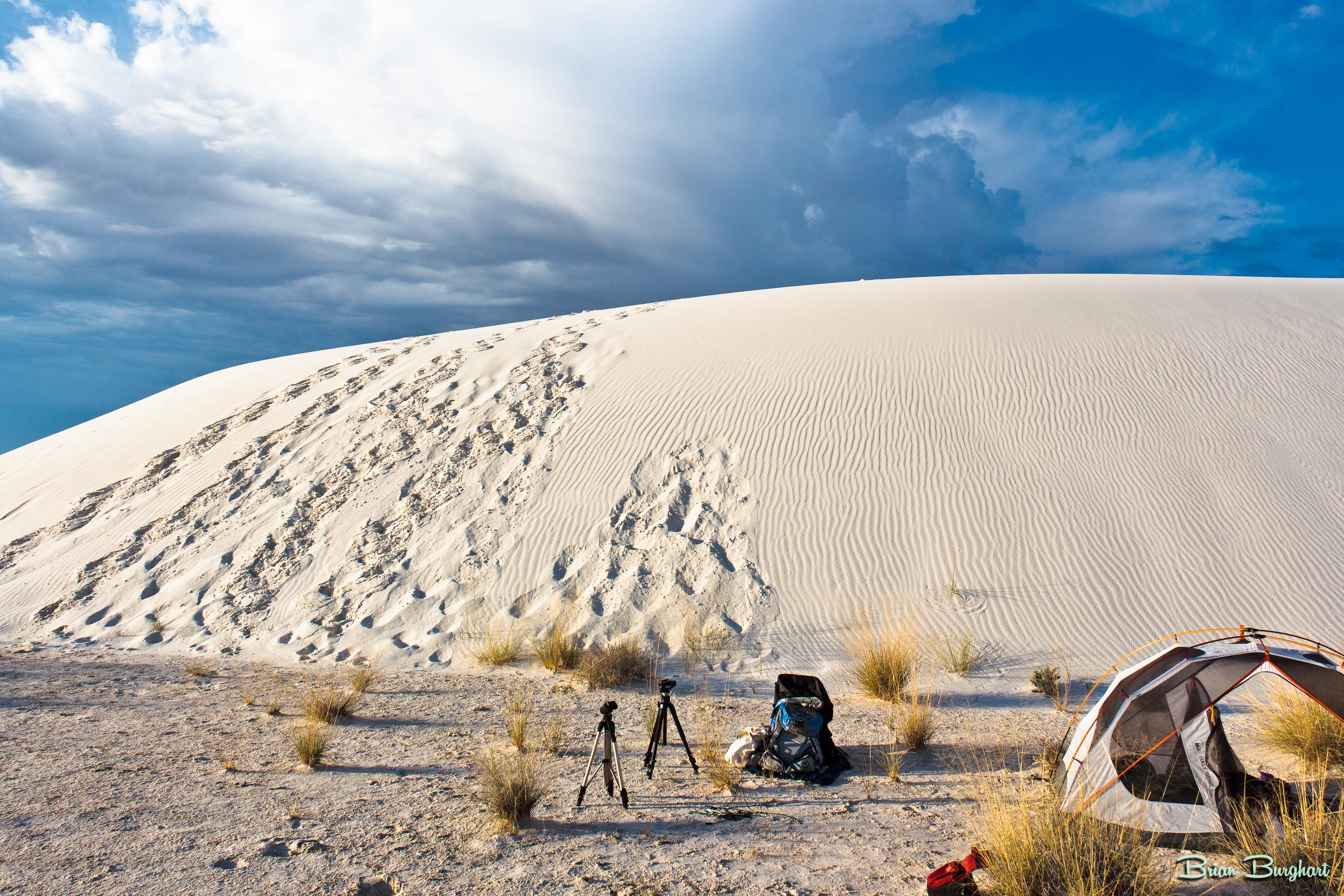
The world's largest gypsum dunefield is a surreal 275-square-mile sea of white sand that photographs like another planet. The 8-mile Dune Drive loop delivers stunning views without leaving your car, while the Alkali Flat Trail offers a challenging 5-mile trek deep into the dunes. The trade-off: at 702K visitors (7.7/10 congestion), you'll share this wonder with crowds, especially during peak March when spring breakers flood the white sands. October offers cooler temps and thinner crowds.
Arrive 90 minutes before sunset and head straight to the backcountry trailhead parking. Most visitors cluster near the first mile of Dune Drive — walk 10 minutes into the dunes and you'll have vast white slopes to yourself for golden hour shots.
When to Go
The sweet spot is October — good weather meets manageable crowds. Peak season hits in March.
Best weather window. Mid-70s, clear skies, moderate crowds. Alkali Flat becomes a comfortable all-day hike. Fall color in cottonwoods.
Monthly crowd levels — click a month for details
Seasonal Closures
Some areas: Military testing may occasionally close portions of park
How Busy Is It?
How White Sands compares to all 62 national parks
Busier than 84% of national parks
Very BusyMore crowded trails than 85% of parks
Very BusyHigher campsite pressure than 94% of parks
Very BusyNotable Trails
White Sands has more trail mileage than 6% of national parks, with 25 miles across 10 maintained trails.
The difficulty split leans easy — only 50% of trails are rated easy.
Hiking Backcountry Camping Trail
Hiking the Playa Trail
Hiking Interdune Boardwalk
Hiking Dune Life Nature Trail
Start early — White Sands's most popular trailheads fill up by mid-morning in peak season.
Camping
1 campgrounds with 10 total sites. About 100% are first-come, first-served.
Top Activities
White Sands excels at 7 of 17 activity types — here are the standouts rated 7/10 or higher.
Photography
10/10Stunning gypsum dunes, unique white landscape, excellent sunset photography
Scenic Driving
9/10Dune Drive scenic loop and access roads through white gypsum landscape
Hiking
8/10Excellent dune hiking from easy short walks to backcountry exploration
Backpacking
8/10Backcountry camping and multi-day hiking in remote dune areas
Stargazing
8/10Good dark skies in remote areas; designated Dark Sky Park
Cross Country Skiing
7/10Sand skiing on gypsum dunes when snow covers them in winter
Snowshoeing
7/10Snowshoeing available when winter snow covers dunes
Who It's For
Planning Your Trip
Getting There
Nearest city: Las Cruces, NM (45 mi). Fly into ELP.
In-Park Services
No gas in park · No lodging in park · Cell: limited
Gateway Town
Alamogordo, NM — moderate amenities
Featured In ?Rankings based on data-driven scoring across all 62 national parks.
Stories
Compare White Sands
See how White Sands stacks up against other national parks — crowds, trails, and more.
Compare White SandsFrequently Asked Questions
When is the best time to visit White Sands National Park?
The best month to visit White Sands is October, based on a balance of weather, crowds, and accessibility. Peak visitation is in March. The park has 5 comfortable months for visiting.
How crowded is White Sands National Park?
White Sands is very crowded, with a congestion index of 7.7/10. The park receives 702K visitors annually across 358 square miles.
How many trails does White Sands National Park have?
White Sands has 25 miles of trails across 5 easy, 4 moderate, and 1 strenuous routes. Popular trails include Alkali Flat Trail, Dune Life Nature Trail, Sunspot Trail.
Can you camp at White Sands National Park?
Yes, White Sands has 1 campground with 10 total sites. Some sites are available first-come, first-served.
Is White Sands National Park open year-round?
Yes, White Sands is open year-round, though some roads and facilities may close seasonally. The park's climate is classified as desert.