Backcountry routes
What to Expect
Safety Advisory
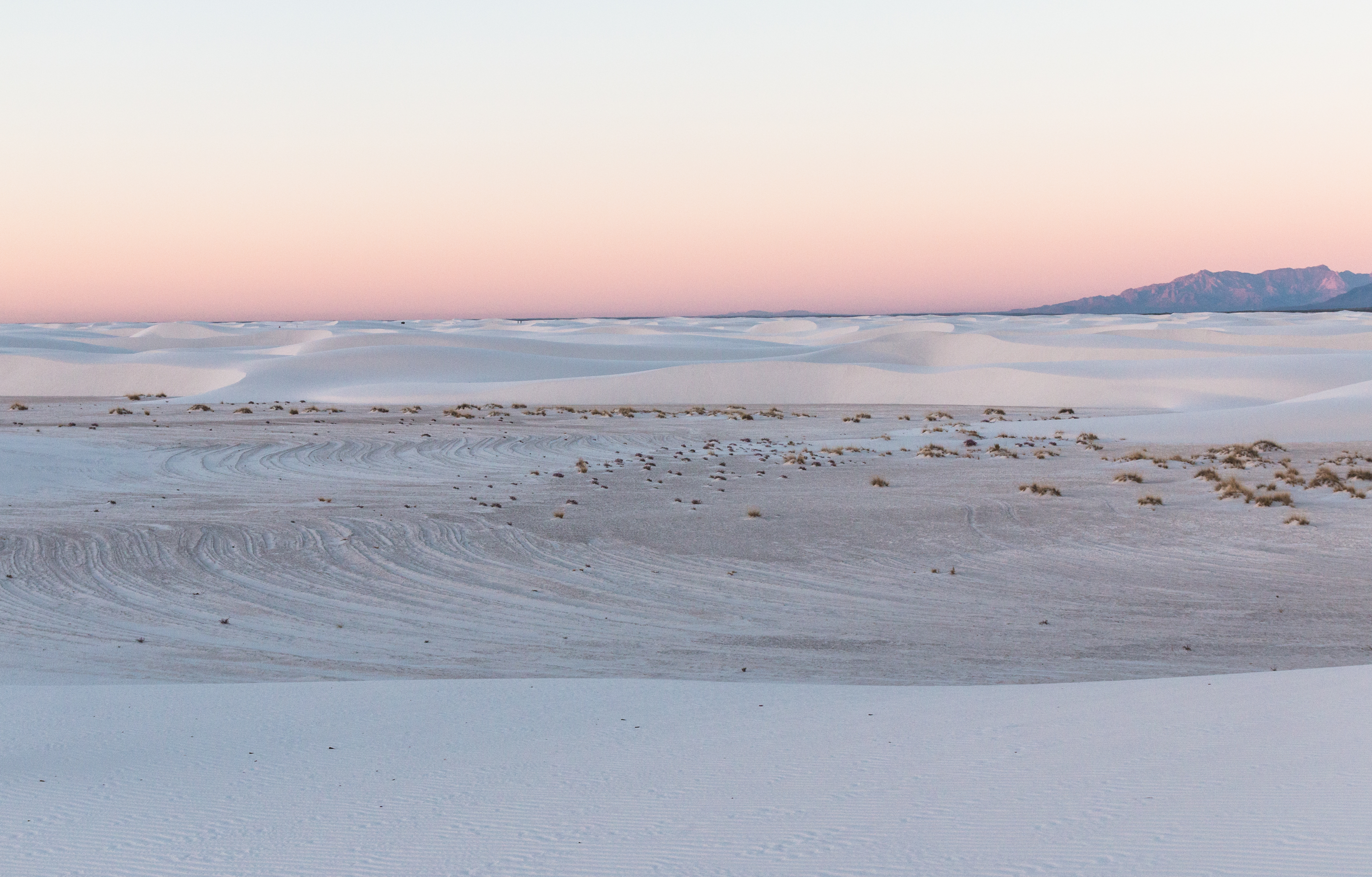
The dunes are featureless and landmarks vanish behind ridgelines constantly — disorientation is the primary danger here. Mark waypoints frequently and never rely on retracing your footprints, as wind erases them faster than you'd expect.
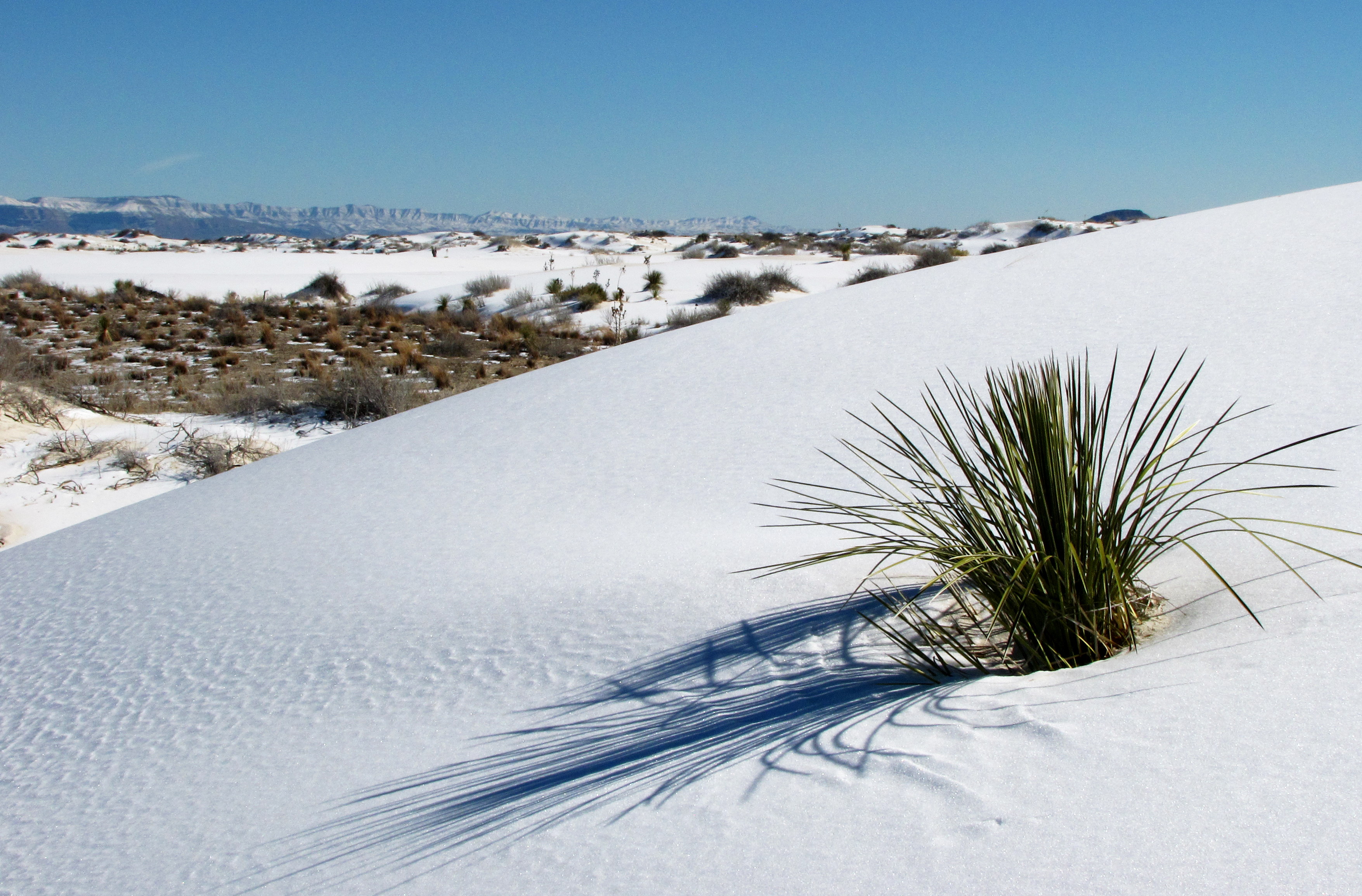
Carry at least three liters of water per person. There is zero shade and zero water sources in the dune field, and the reflected heat off white sand dramatically accelerates dehydration.
White Sands shares its border with a military missile range. The park closes without warning for missile testing — check the closure schedule before planning your trip, and do not cross any boundary markers.
Trail Details
Pro Tips
Pick up your backcountry permit at the visitor center and get a current conditions briefing — rangers can tell you which dune fields are most stable and where recent winds have reshaped the terrain significantly.
Bring a real compass and know how to use it. GPS works, but the uniform white landscape creates disorientation that makes electronic navigation feel unreliable — having a bearing to follow back is your lifeline.
Start at dawn and plan to be out by midday. The white gypsum reflects sunlight from every direction, effectively doubling your UV exposure, and afternoon temperatures turn the dune field into a convection oven.