Big Dune Trail
What to Expect
Safety Advisory
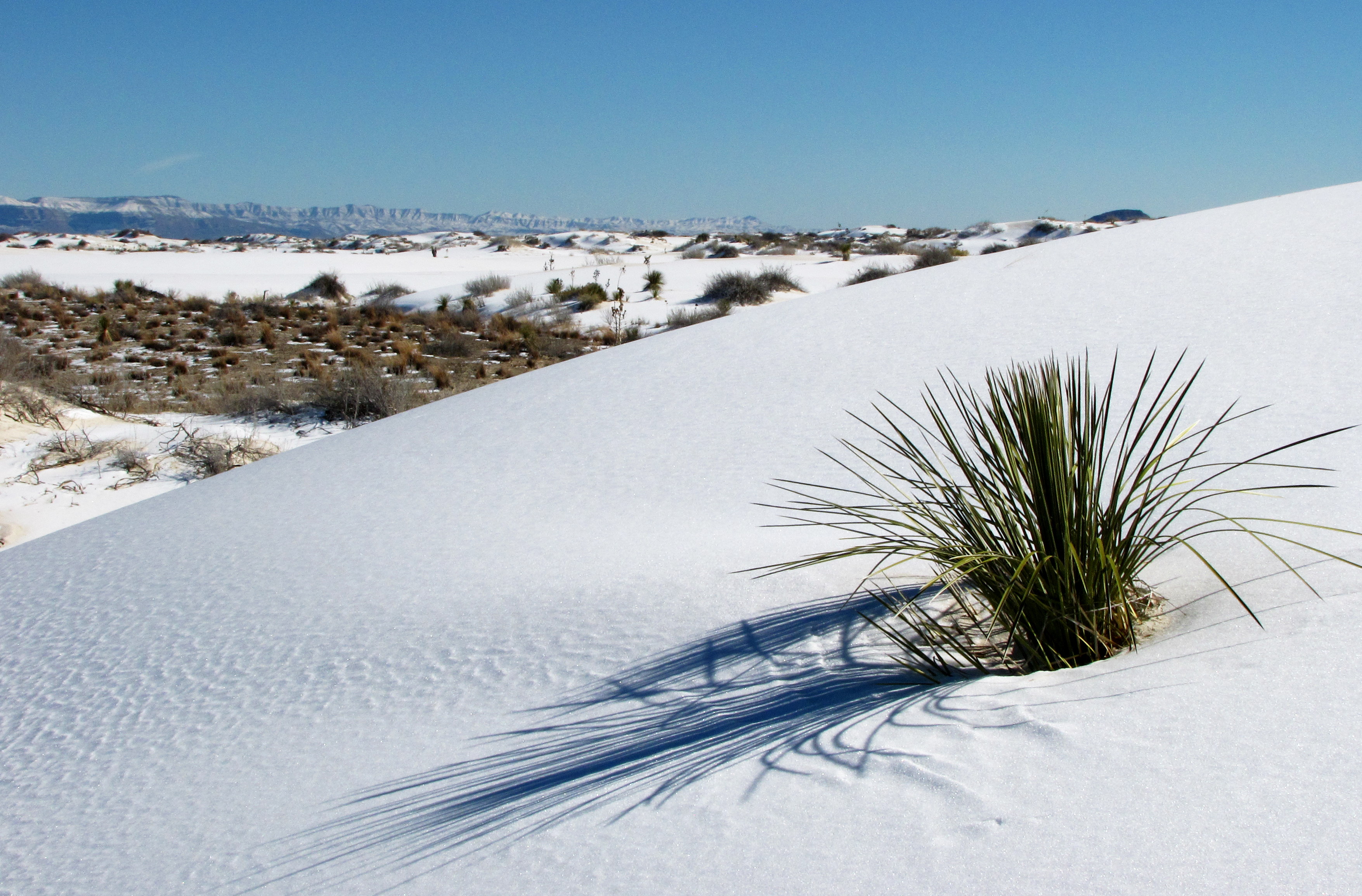
The white sand reflects intense UV radiation from all directions, creating sunburn risk even on cloudy days. Apply sunscreen to unexpected spots like under your chin and behind your ears — the ground-level reflection will find them.
Surface temperatures on the sand can exceed 150 degrees Fahrenheit in summer. If you can't comfortably press your palm to the sand for five seconds, it's too hot for pets (who aren't allowed anyway) and risky for anyone in thin-soled shoes.
Trail Details
Pro Tips
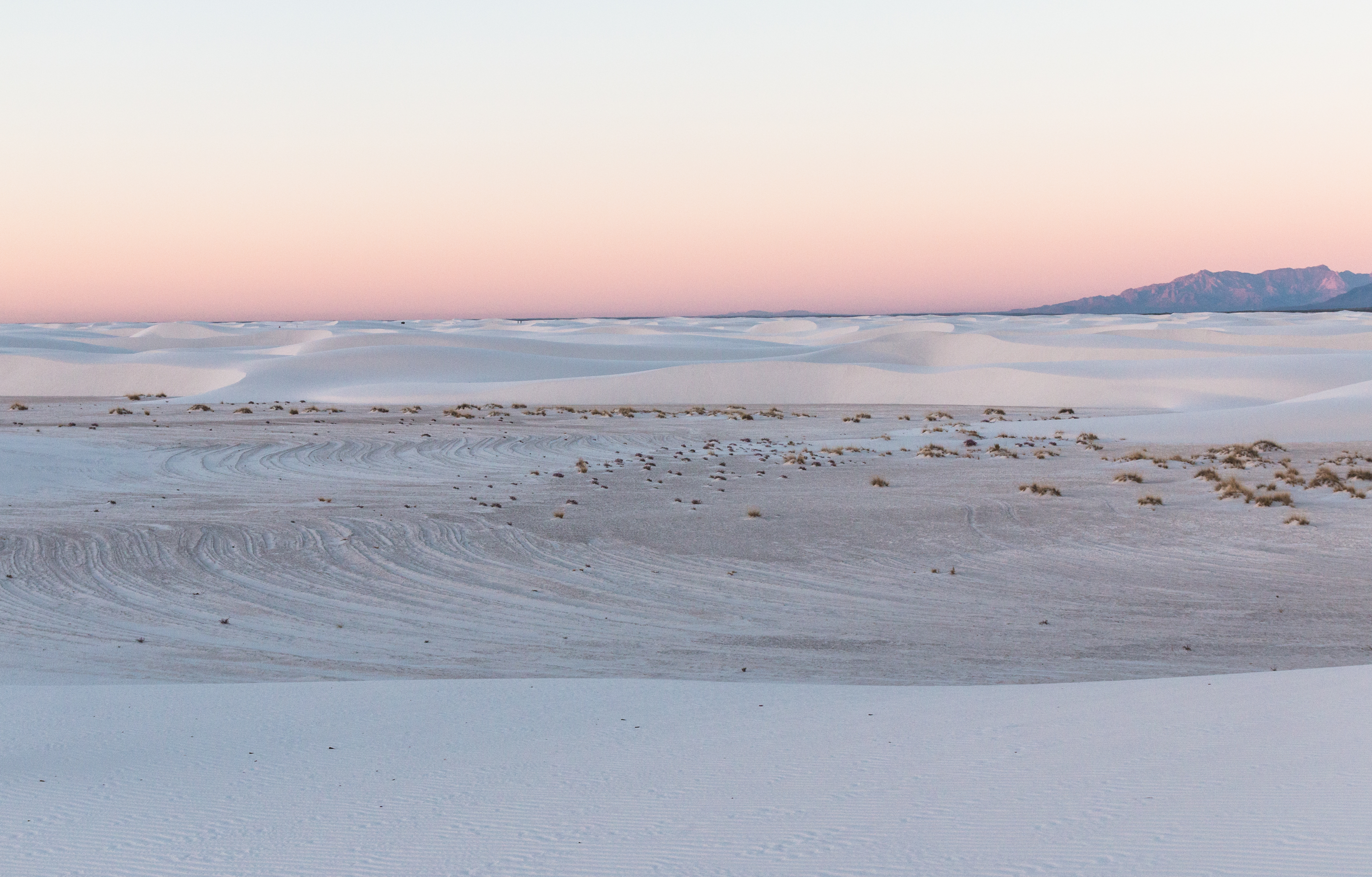
Time your hike for the last two hours before sunset — the low-angle light turns the dunes gold and pink, the sand is cooler underfoot, and you'll avoid the brutal midday glare that makes squinting a full-body sport.
Wear closed-toe shoes with decent ankle support, not sandals. The gypsum sand gets everywhere and the climb is steep enough that flip-flops will have you sliding backward. Gaiters are overkill but honestly not a bad idea.
Bring sunglasses with serious UV protection — the white gypsum reflects sunlight from every direction, and snow blindness is a real risk even on a short hike. Polarized lenses make the biggest difference here.