8 parks where Labor Day weekend doesn't mean traffic
Eight national parks where Labor Day crowds vanish and September solitude begins
The national parks you see on Labor Day weekend Instagram feeds are the ones you should skip. Glacier, Arches, Yellowstone, and Grand Teton turn into parking lot roulette and bumper-to-bumper wildlife jams. But September is actually one of the best months to visit a national park, provided you pick the right one. These eight deliver space, solitude, and zero tolerance for crowds.
Most of these parks require more effort to reach than a simple road trip. That barrier to entry is exactly what keeps them empty when the famous parks are gridlocked.
Isle Royale National Park
Lake Superior island with no roads / Boat or seaplane access only
You can't drive to Isle Royale, which is the entire point. The park occupies a 45-mile-long island in the middle of Lake Superior, reachable only by ferry or floatplane. Most visitors take the six-hour boat ride from Michigan's Upper Peninsula, step off onto Rock Harbor's dock, and spend three to five days hiking the backcountry without seeing another soul. The trail network covers 165 miles through boreal forest, along rocky shorelines, and past inland lakes where moose wade chest-deep to feed on aquatic plants.
Isle Royale operates on island time: the ferry schedule dictates your itinerary, not the other way around.
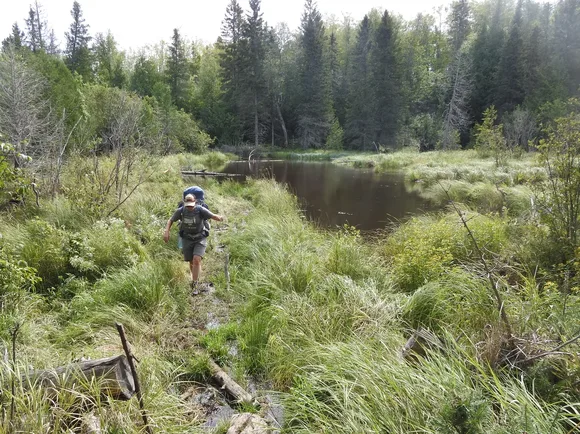
Labor Day weekend is actually late season here. Peak visitation ends in August, and by September you'll have the Greenstone Ridge Trail almost entirely to yourself. Nights drop into the 40s, which means fewer bugs and clearer skies for the kind of stargazing you only get in the middle of a Great Lake. The park closes mid-October, so September is your last window before the ferries stop running.
Gates Of The Arctic National Park & Preserve
Larger than Switzerland / Zero trails, zero campgrounds
Gates of the Arctic is the park you visit when you've exhausted the concept of infrastructure. There are no trails because the park doesn't believe in them. No campgrounds, no visitor center at the entrance, no entrance at all. You fly into a remote airstrip or charter a floatplane to drop you in the Brooks Range, and from there you navigate by map and compass through tundra, river valleys, and mountains that have never had a trail crew touch them. Most people never go. The park sees fewer annual visitors than Zendaya has Instagram followers.
If you want solitude, Gates of the Arctic offers it by the square mile: six million acres with no one watching.
September brings fall colors to the tundra and the first dusting of snow on the peaks. Caribou migrations move through the valleys, and the midnight sun has finally set, which means actual darkness for the first time since May. You'll need wilderness navigation skills, bear-proof food storage, and the kind of self-sufficiency that assumes rescue is days away. This is not a beginner park, but it's the emptiest place in the national park system.
Lake Clark National Park & Preserve
Floatplane-only access from Anchorage / Two active volcanoes
Lake Clark sits 100 miles across Cook Inlet from Anchorage, close enough to see on a clear day but worlds apart in terms of visitation. The park protects 42-mile-long Lake Clark, two smoking volcanoes, and some of the best brown bear viewing in Alaska. You'll fly in on a floatplane that lands directly on the lake, taxi up to a gravel beach, and step into a landscape where bears outnumber people by a comfortable margin. Most visitors base out of Port Alsworth, the only year-round community inside the park, and spend their days paddling the lake or hiking the ridges above it.
Lake Clark's turquoise water looks Photoshopped until you dip your hand in and realize it's just glacial silt refracting light.
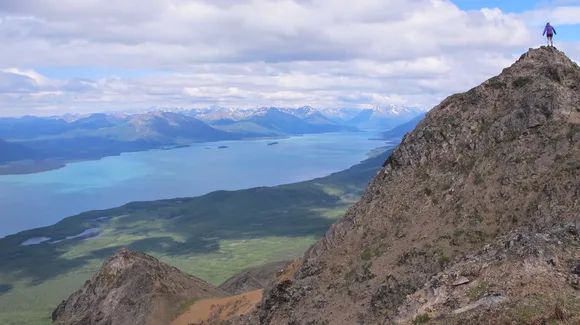
September is late enough to avoid the peak summer floatplane traffic but early enough to catch salmon still running up the park's rivers. Bears congregate at stream mouths, and if you're willing to sit quietly for an hour, you'll watch them fish with the kind of focus that makes you forget to check your camera settings. Twin Lakes Trail and the Lake Shore Walk offer manageable day hikes, but the real appeal here is the water. Paddle the shoreline, camp on gravel beaches, and fall asleep to the sound of waves on a lake that feels more like an inland sea.
Kobuk Valley National Park
Sand dunes in the Arctic Circle / Caribou migrations through the valley
Kobuk Valley protects 25 square miles of sand dunes that rise 100 feet above the tundra, a landscape so incongruous it looks like a glitch in the map. The Great Kobuk Sand Dunes formed during the last ice age and never left, held in place by winds that still shape them today. The park has no roads, no campgrounds, and no cell service. You fly into Kotzebue, charter a bush plane to the Kobuk River, and hike inland to the dunes or paddle the river through boreal forest that transitions into tundra as you move north.
Walking across sand dunes while the Arctic tundra stretches out behind you feels like someone shuffled two different planets into the same frame.
September is migration season for the Western Arctic caribou herd, which funnels through the Kobuk Valley by the tens of thousands. Onion Portage, an ancient river crossing used by both caribou and humans for millennia, offers front-row seats to one of the continent's great wildlife spectacles. The dunes are empty, the river is quiet, and you'll camp on sandbars under skies so dark the Milky Way casts shadows.
National Park of American Samoa
Only park south of the equator / Coral reefs and tropical rainforest
American Samoa operates on a different calendar than the rest of the park system. September is late dry season, which means calmer seas, better visibility for snorkeling, and fewer rain showers interrupting your hike up Mount Lata. The park spans three islands, with the main visitor area on Tutuila accessible by rental car from Pago Pago. Ofu Beach, a two-hour flight east, offers some of the best coral reef snorkeling in the Pacific, with giant clams and sea turtles cruising through water so clear you can see 100 feet in every direction.
The only national park where you hike through villages, past churches, and into rainforest without ever crossing a boundary sign.
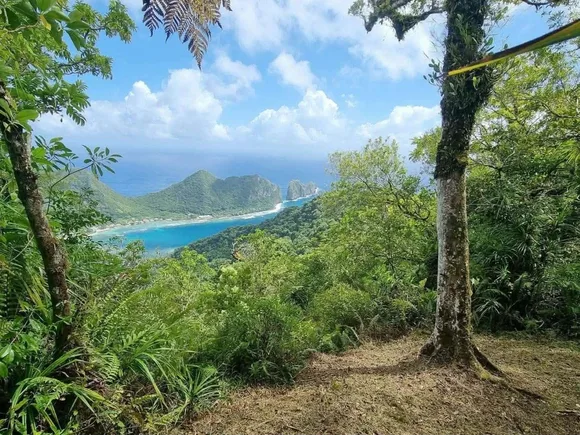
The park is integrated into Samoan village life in a way that feels fundamentally different from mainland parks. Trails pass through family land, and you'll likely stop to talk with locals who want to know where you're from and whether you've tried palusami yet. The Pola Island Village Trail winds through coastal forest to tide pools where kids swim after school, and the South Lagoon Coastal Walk delivers postcard views of volcanic peaks dropping straight into the Pacific.
Voyageurs National Park
Four interconnected lakes / Boats replace cars
Voyageurs is a water park in the original sense: you need a boat to see most of it. The park protects 340 square miles of boreal lake country along the Canadian border, with more than 500 islands scattered across Rainy, Kabetogama, Namakan, and Sand Point lakes. Most visitors rent a motorboat or kayak and spend their days island-hopping between campsites, fishing for walleye, and navigating narrow channels through wetlands where loons call at dawn.
Voyageurs rewards the kind of aimless wandering that's only possible when you have a boat, a map, and no cell service.
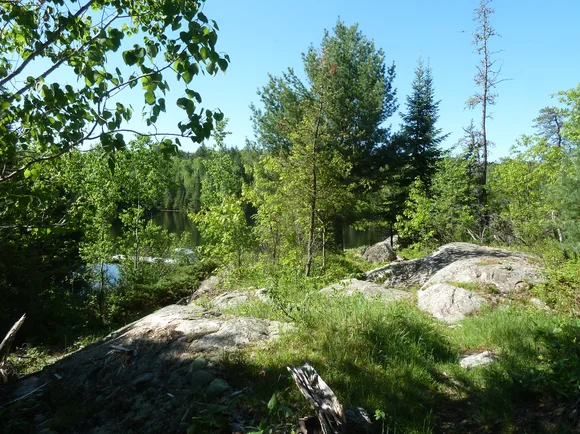
Labor Day weekend is still busy by Voyageurs standards, but the park is so spread out that you can paddle for hours without seeing another boat. September water temperatures are still warm enough for swimming, and the fall colors start creeping into the birch and aspen forests that line the shore. Kettle Falls, accessible only by boat or a long portage trail, offers a historic hotel and one of the park's few developed campgrounds. Most visitors skip it and camp on their own island instead.
Theodore Roosevelt National Park
Bison on the prairie / Badlands without the crowds
Theodore Roosevelt delivers the same eroded badlands scenery as South Dakota's more famous park, but with a fraction of the traffic. The park's South Unit wraps around a 36-mile scenic loop where bison graze on prairie grass, wild horses linger in the draws, and the painted layers of the Little Missouri Badlands look best in the low-angle light of early morning. Most visitors drive the loop, stop at overlooks, and call it a day. If you hike Petrified Forest Loop or Buckhorn Trail, you'll leave them behind entirely.
Roosevelt's badlands are where a grieving East Coast politician came to disappear and left as the architect of America's conservation movement.
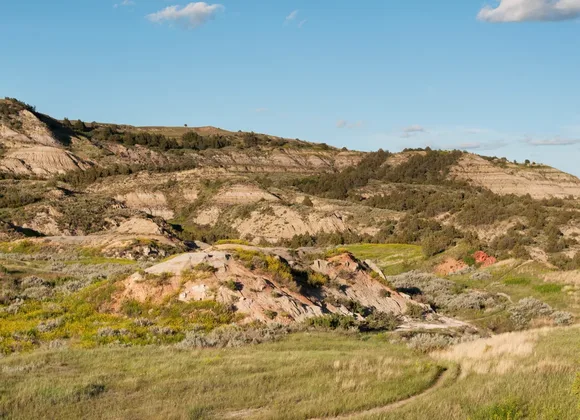
September brings cooler temperatures and the first hints of fall color in the cottonwoods along the river. Bison calves born in spring are still with their mothers, and the rut hasn't started yet, which means the herds are calm and approachable from a safe distance. The North Unit, 70 miles away and often overlooked, offers even more solitude along the Achenbach Trail, a 16-mile loop through river breaks and grassland that sees almost no foot traffic.
Wrangell-St. Elias National Park & Preserve
Larger than Yellowstone, Yosemite, and Switzerland combined / Nine of North America's sixteen highest peaks
Wrangell-St. Elias is the park you visit when you've run out of superlatives and just want to sit with scale. The park is almost incomprehensibly large, holding more glaciers than you could count, more mountain ranges than you could name, and more wilderness than you could explore in a lifetime. Most visitors drive the rough McCarthy Road to the old mining towns of McCarthy and Kennicott, hike the Root Glacier Trail, and leave having seen maybe one percent of the park. The rest is reserved for climbers, river guides, and backpackers willing to charter a bush plane into the interior.
Wrangell-St. Elias doesn't compete for your attention; it simply exists at a scale that makes competition irrelevant.
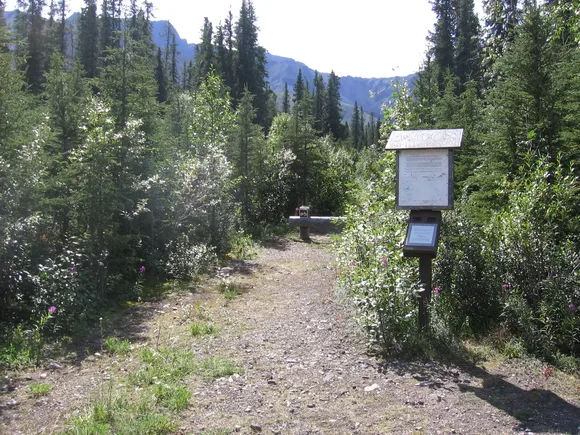
September is the tail end of the visitor season before the first heavy snows close the McCarthy Road. Fall colors explode across the tundra, and the glaciers stand out in sharp relief against mountains dusted with fresh snow. You can walk onto the Root Glacier without crampons, explore ice caves that melt and reform every season, and camp at the Kuskulana River bridge with views of the Wrangell volcanic field stretching to the horizon. The park closes in on itself after September, so this is your last easy access until June.