Dome Fire closes Glacier Point Road in Yosemite — what visitors need to know
Dome Fire closed Glacier Point Road in Yosemite. Here's what's still open and where to redirect your October plans
Glacier Point Road, one of Yosemite's most visited destinations, closed abruptly on October 9th when the Dome Fire ignited near the Sentinel Dome trailhead. The blaze has burned through mixed conifer forest between Bridalveil Creek and the road's terminus, forcing the park to shut down access to some of the Sierra's most iconic viewpoints at the peak of fall color season.
If you had Glacier Point on your October itinerary, here's what the closure means for your visit and where to redirect your plans.
Yosemite National Park
750 miles of trails across granite country / Glacier Point Road closed until further notice
The closure affects everything past Badger Pass Ski Area: Glacier Point itself, Sentinel Dome, Taft Point, and the Pohono Trail. That's a significant chunk of Yosemite's best photography spots and a major access point for Half Dome day hikers who shuttle from the valley. The National Park Service hasn't set a reopening date, and given the terrain and October's dry conditions, the road could stay closed through the end of the season. Wildfire recovery in the Sierra often takes weeks, not days.
Glacier Point offers the valley's signature view without the climb, but right now that perch sits behind a closure gate with no timeline for reopening.
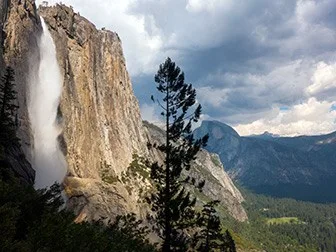
The good news: Yosemite Valley remains fully open, as does Tioga Road (though it typically closes for winter by late October). You can still reach the valley floor overlooks, Yosemite Falls Trail, the Mist Trail to Vernal Fall, and Mirror Lake. Four Mile Trail, which climbs from the valley to Glacier Point, is closed at the top but accessible from below as an out-and-back hike. You'll lose the loop option, but the switchbacks still deliver massive views of the valley's north rim and Sentinel Rock.
October is one of Yosemite's best months when the park cooperates: smaller crowds than summer, fall color in the black oaks and dogwoods, and waterfalls reduced to trickles but still flowing. The Dome Fire doesn't change the season's appeal, but it does shuffle the deck. If you planned your trip around sunrise at Glacier Point or the Panorama Trail loop, you'll need to adjust.
What to Do Instead
Redirect to the valley floor. The Mist Trail to Vernal Fall remains one of the park's best moderate hikes, and in October you won't fight summer's elbow-to-elbow traffic on the granite staircase. The falls run lighter this time of year, but the route still climbs through spray and delivers a granite amphitheater that rivals anything from Glacier Point's elevation.

If you want elevation without the road closure, take Yosemite Falls Trail. It's a strenuous 7.6-mile round trip with 2,700 feet of gain, but the upper viewpoint puts you at the brink of North America's tallest waterfall. By October the flow is minimal, sometimes just a whisper over the edge, but the trail itself offers continuous views of the valley and Half Dome that shift with every switchback. Start early to avoid afternoon heat, even in fall.
For families or anyone looking for easier terrain, Mirror Lake Loop offers a flat 5-mile circuit with reflections of Half Dome when the water level cooperates. October can be hit or miss depending on recent rain, but the loop stays scenic even when the lake is more meadow than water. Kids can explore the sandy banks, and the trail connects to Tenaya Canyon for those who want to push deeper into the backcountry.
Mariposa Grove, home to Yosemite's giant sequoias, sits on the park's southern edge and remains unaffected by the Dome Fire. The 6.3-mile loop through the grove takes you past the Grizzly Giant and the California Tunnel Tree, with elevation gain that's manageable for most fitness levels. October brings cooler temperatures under the sequoia canopy, and the grove sees a fraction of summer's crowds. If you've never stood next to a tree older than the Roman Empire, this is the redirect.
Planning Around the Closure
Check the park's website or call the visitor center before you drive. Wildfire closures can expand or contract based on containment progress, weather, and air quality. The Dome Fire's proximity to Glacier Point Road means even partial reopening could take time, and the park won't rush it if conditions aren't safe.
If you're staying in Yosemite Valley, you won't notice much disruption beyond losing Glacier Point as a sunset destination. The valley itself absorbs visitors across enough trails, viewpoints, and campgrounds that one road closure doesn't collapse the experience. If your entire trip hinged on Glacier Point, consider pushing your visit to spring when the waterfalls run at full force and the road reopens after winter snow clearing.
Air quality can degrade quickly with active fires, even small ones. October's dry air and variable winds mean smoke can settle in the valley or clear out within hours. Pack layers, check the AQI before long hikes, and be ready to adjust plans if conditions shift. Yosemite's size gives you options, but wildfire season doesn't end until the first significant rain, usually late October or November.